Camden Loft Conversion and Roof Alteration Visual Guide
In Camden's conservation areas, the "form" and "visibility" of a roof extension are the primary reasons for refusal. This guide visualises what Camden Council typically looks for in a successful application.
Acceptable vs Refusable Roof Forms
Camden planning officers use specific design criteria to ensure roof additions don't "harm the terrace silhouette."
Camden Roof Typologies
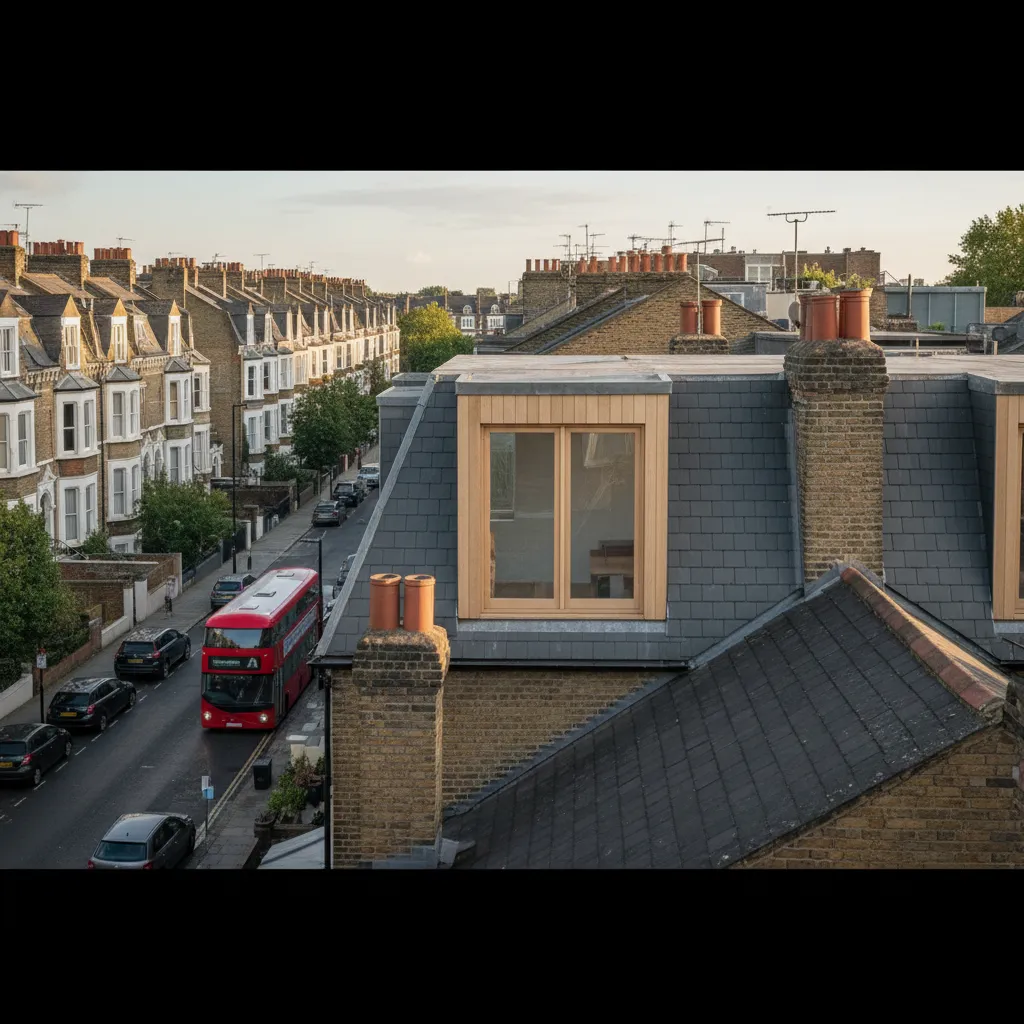
Rear-Pitch Dormer
Commonly AcceptableUsually allowed if set back from the eaves and below the ridge line. In Camden conservation areas, the material (e.g. lead, zinc, or slate) and window profile are critical.
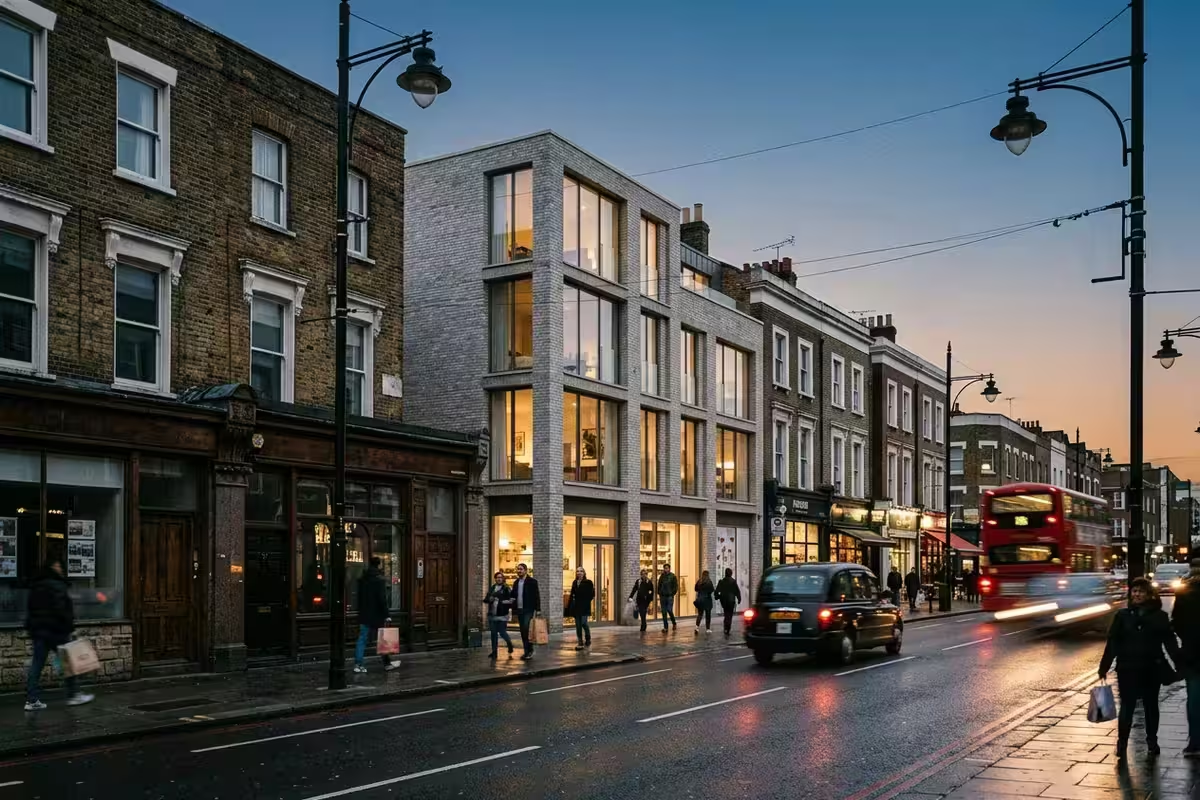
Mansard Extension
High SensitivityOften the most complex to argue. Camden typically requires a steep 70-degree pitch and a clear setback from the front parapet. Material matching to the existing roof is essential.
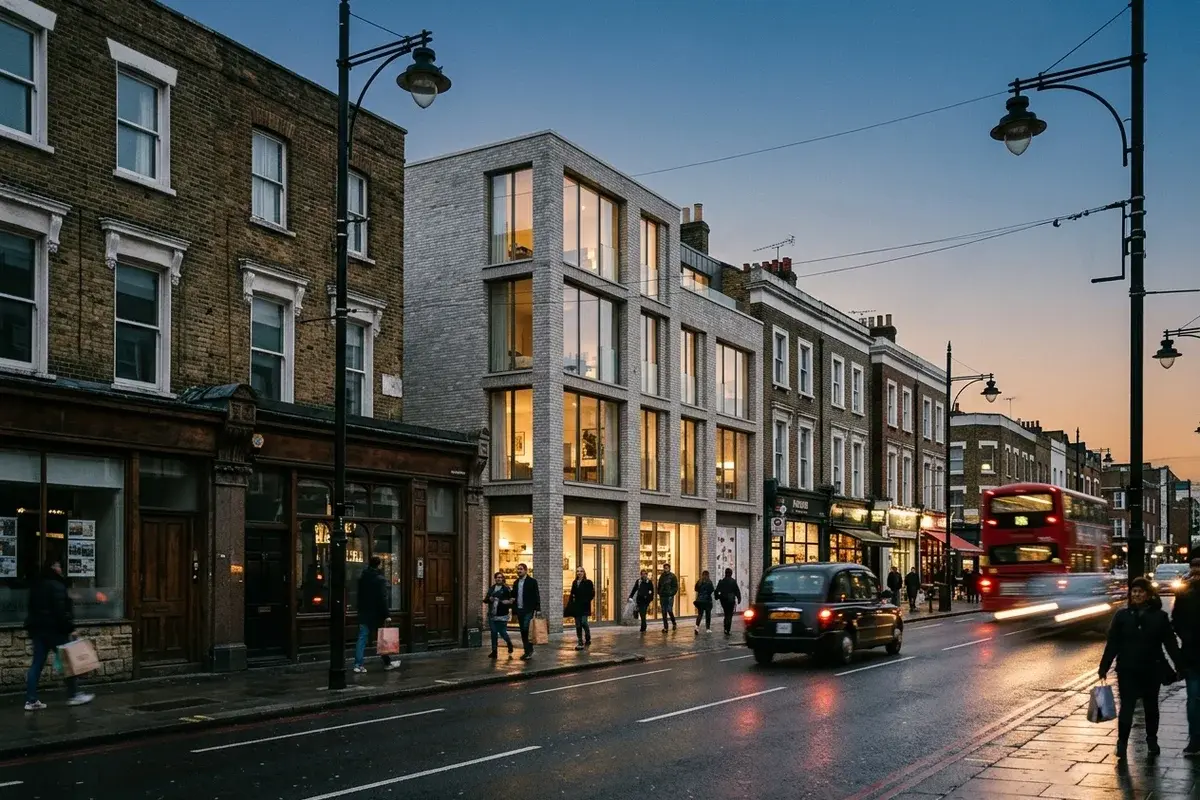
Rooflights (Front/Rear)
Article 4 SensitiveIn many Camden Article 4 zones, front-pitch rooflights are restricted. Low-profile, flush-mounted "conservation" style lights are usually required.
Critical Design Rules
- Setback from the rear eaves (usually at least 200-500mm)
- Height below the original ridge line (to preserve terrace silhouette)
- Dormer cheek material matching the roof finish (e.g. lead or slate)
- Window profile matching the lower storeys (e.g. timber sashes)
- Minimal use of visible metal or plastic trim
When a Visual is Mandatory
For Mansard extensions or Dormers visible from the street, planning officers often struggle to judge scale from 2D elevations alone. A "Roofline Photomontage" proves that the new volume sits correctly within the neighbouring context.
View Planning CGI SupportOfficial Camden Roof and Loft Guidance
Disclaimer: This visual guide is for illustrative purposes and does not substitute for architectural drawings or official planning advice. Approval for roof extensions in Camden is highly dependent on the specific conservation area appraisal and the existing character of your street. Always consult a qualified professional.