Architectural visualisation services for London architecture
Architectural Visualisations London (AVL) provides planning-grade visualisation, marketing-ready imagery and presentation material for architects, developers and private clients, focused specifically on Greater London and the wider UK.
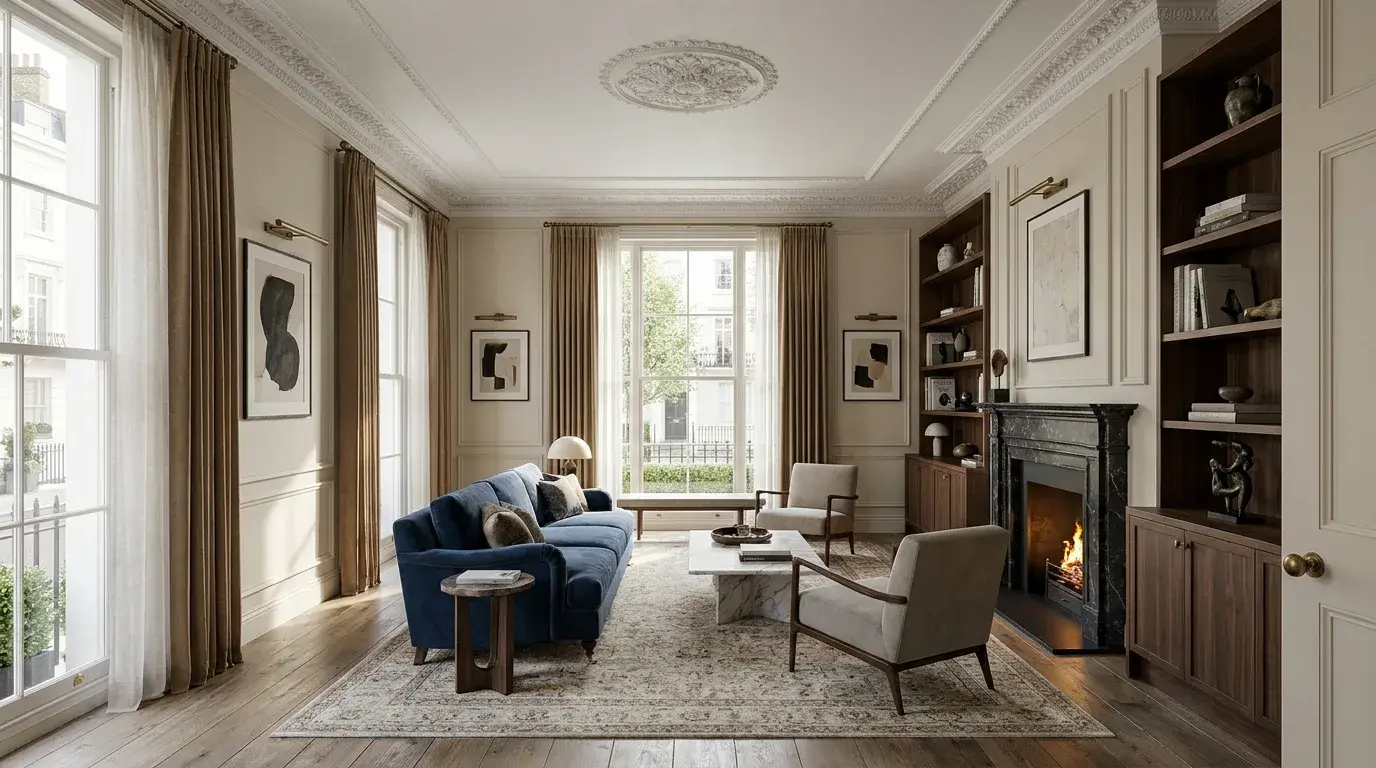
We provide verified views at AVR Levels 0 to 3, photomontage, planning visuals, TVIA and animation. We also produce interior CGI, exterior CGI, house extension visuals, residential development CGI and commercial CGI. Four use-cases run through every brief: planning evidence, marketing imagery, design review and sales sign-off.
Compare ten services across planning, marketing, design and sales
Verified views, photomontage and renders explained
Verified views, photomontage and renders overlap in casual conversation but carry different evidentiary weight in a planning pack. Each format is defined first so the decision matrix below uses vocabulary you have already met.
- Verified view
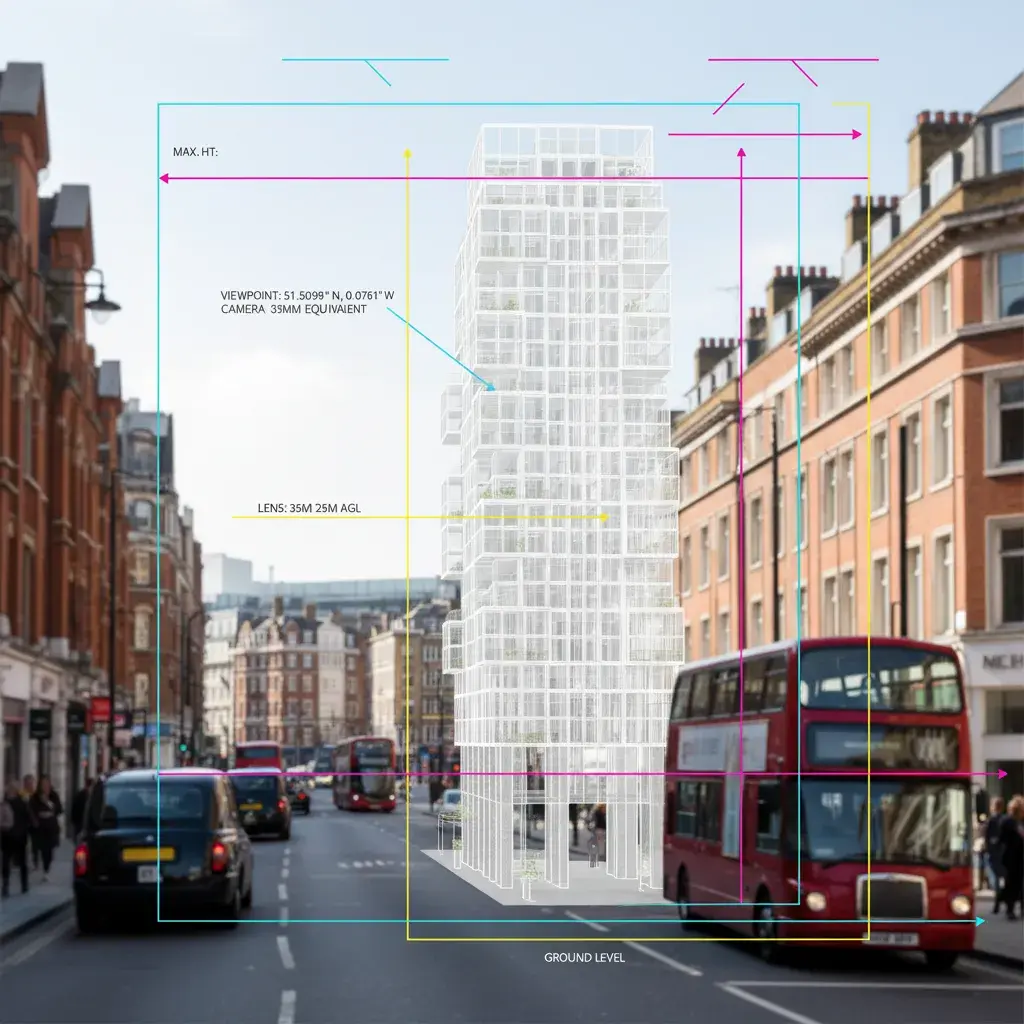
- A camera-matched, survey-accurate Accurate Visual Representation (AVR) compositing the proposed building into a photograph taken from a registered viewpoint. AVR Levels 0 to 3 describe how much detail is shown, from massing-only block (Level 0) to fully rendered material (Level 3). Required for major applications, townscape submissions and LVMF designated views.
- vs photomontage: a verified view is always a photomontage, but with survey-grade camera matching and a registered viewpoint that a standard photomontage does not require.
- vs render: a verified view starts with a real photographic plate from the viewpoint and inserts the proposal into it; a render builds the image from the model alone with no plate.
- Photomontage
- CGI composited into real site photography with matched camera, lens and lighting. Can be illustrative, for marketing or design review, or verified, when it is survey-accurate and tied to a registered viewpoint. Every verified view is a photomontage; not every photomontage is verified.
- vs verified view: every verified view is a photomontage, but most photomontages are not verified, because they may use illustrative camera matching without survey-grade accuracy or a registered viewpoint.
- vs render: a photomontage uses a real site photograph as the base; a render uses no photograph, only the architect's 3D model and a built lighting scene.
- Render
- Standalone CGI built from the architect's model, lit and composed without a real site photo as a base. Used when the site has no useful photographic baseline, when the message is about the building itself rather than its context, or when the brief calls for an interior view inside a space that does not exist yet.
- vs photomontage: a photomontage drops CGI into a real site photo; a render is the building alone, useful when no photographic baseline exists or when the brief calls for an interior space that does not yet exist.
- vs verified view: a verified view is camera-matched and survey-accurate; a render carries neither constraint, freeing the brief for atmosphere, lighting and design storytelling.


Choose the right service for the decision in front of you
Eight common briefs map to the visualisation services that answer each one. Now that the format vocabulary is defined above, each recommendation names a service by type.
- Pass a major planning application in a sensitive townscape
- Verified views at AVR Level 2 to 3, plus a full townscape visual impact assessment pack.
- Place a CGI inside a heritage or conservation setting
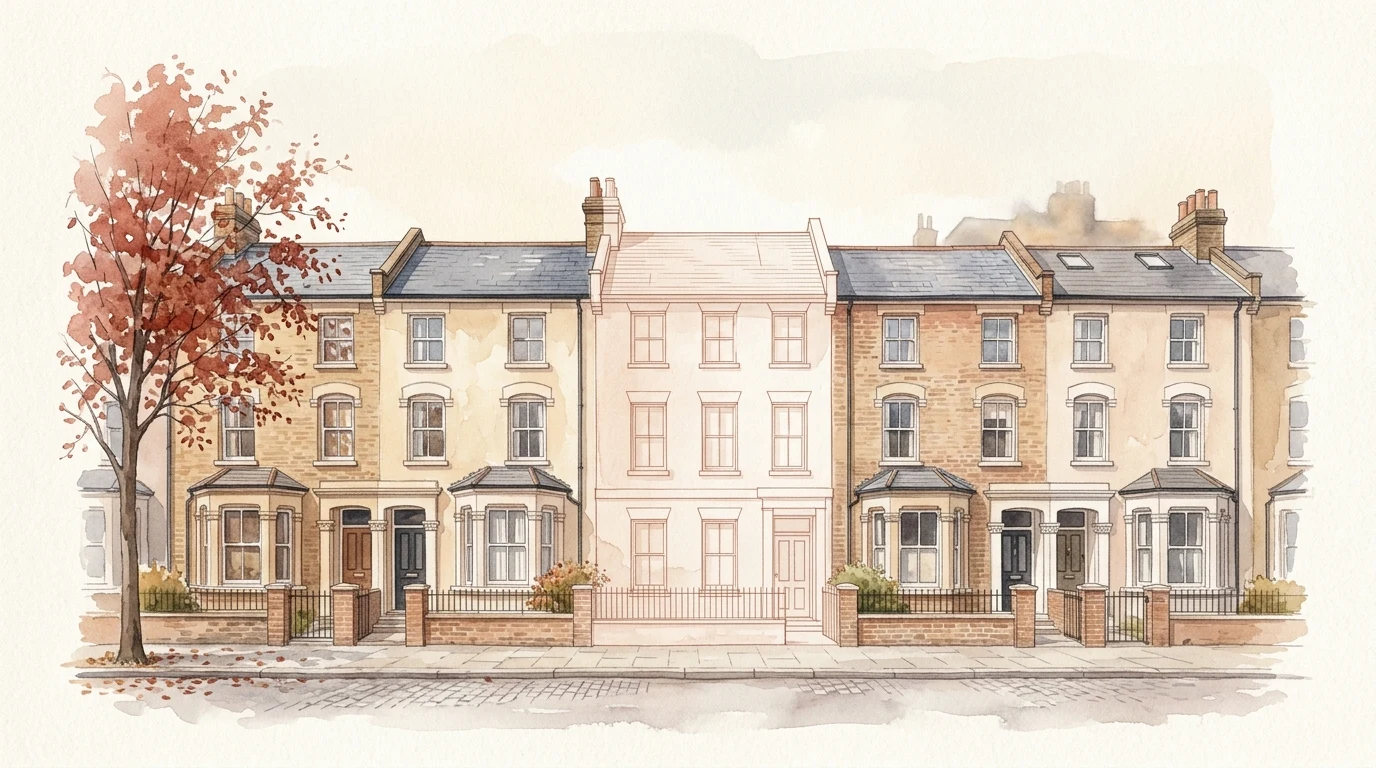
- Photomontage composited into real site photography, camera-matched to retain neighbouring fabric in frame.
- Communicate a scheme to a planning committee
- Planning application visuals paired with annotated verified views from the registered viewpoints.
- Launch a residential development for off-plan sales
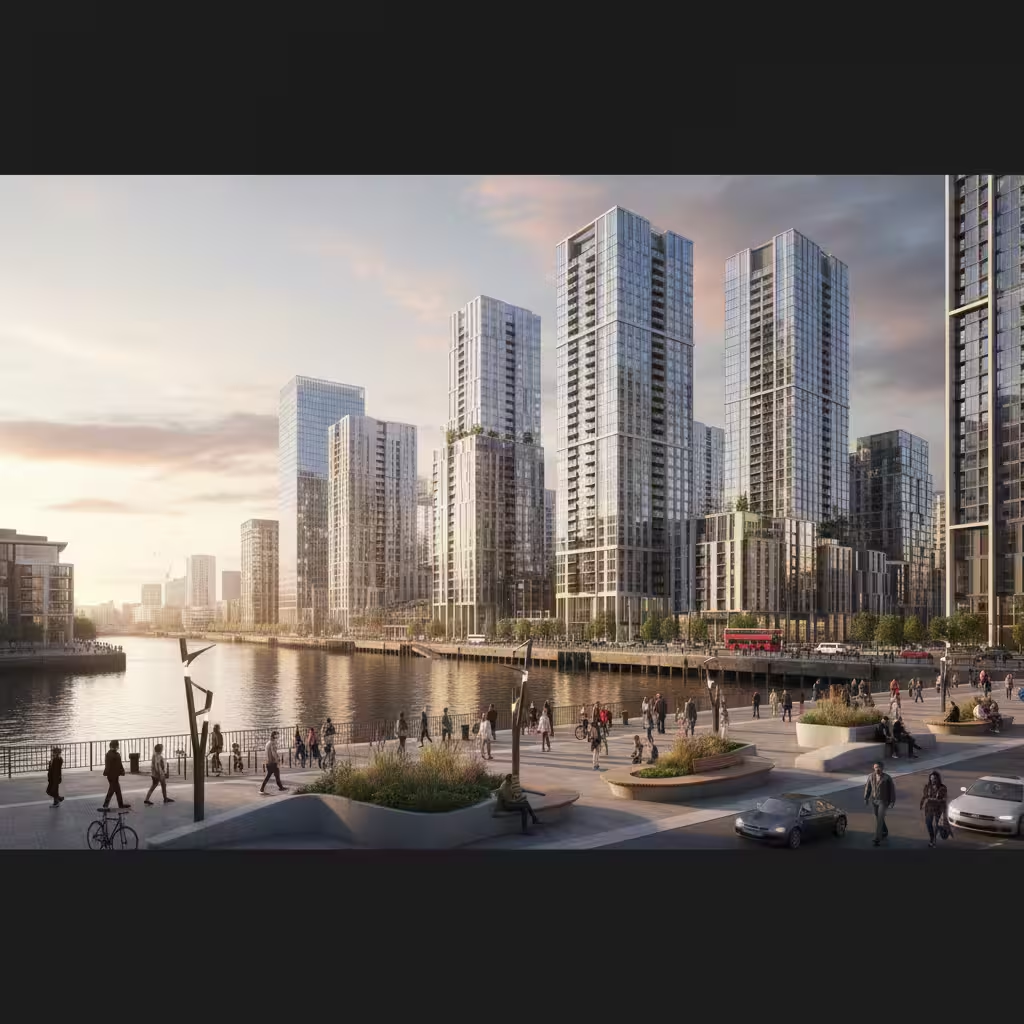
- Exterior renderings for the hero, interior visualisations per apartment type for the brochure.
- Sign off a design with a private client before construction
- Interior visualisations with material accuracy at eye level, plus house extension CGI if the works involve a side return, loft or basement.
- Pitch a commercial scheme to investors and end users
- Commercial development CGI for the deck, plus a 3D animation for the launch event.
- Evidence a tall building's effect on a designated view
- Verified views at AVR Level 3 from the relevant LVMF viewpoints, prepared to TGN 06/19.
- Walk a buyer or panel through a finished scheme
- 3D animation with a storyboarded camera path, paired with key still frames for print.
3D rendering services for architects, developers, planners and clients
Planning consultants, developers, architects, private clients, heritage consultants, TVIA authors, sales agents and committees each read a CGI for a different reason. Each one needs a different cut of the same model.
We deliver verified views and AVR Level 2 to 3 photomontages for planning consultants on major London applications. Every view is camera-matched to LVMF and borough-listed viewpoints so the pack stands up against the registered townscape evidence base.
What we deliver in a typical planning pack


- Pack size
- 6 to 8 verified views
- AVR Level
- Level 2 for mid-rise, Level 3 for tall buildings
- Viewpoints
- Borough-listed plus LVMF designated
- Methodology
- TGN 06/19 compliant, GLVIA3 aligned
- Delivery
- Annotated PDF pack and individual 4K TIFFs
- Turnaround
- 3 to 4 weeks from approved camera study
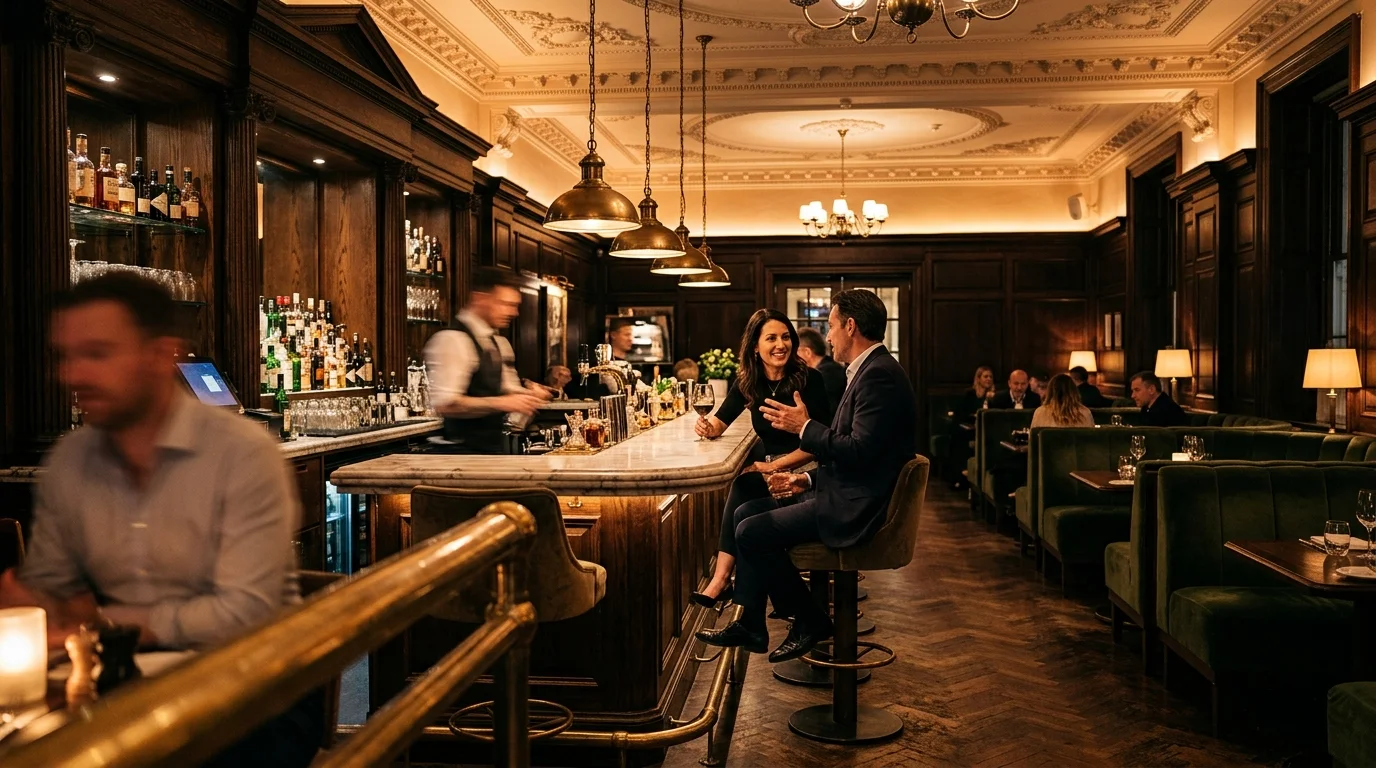
We deliver interior CGI per apartment type, hero exterior renderings and walkthrough animation for developers launching London residential and BTR schemes. Every visual is built to brochure scale and microsite screen so the marketing pack reads consistently across print and digital.
What we deliver for an off-plan launch

- Pack size
- 4 to 6 interior views per apartment type, 2 to 3 exterior hero shots
- Animation
- 60 to 90 second walkthrough plus exterior flythrough
- Resolution
- 4K TIFF stills, 1080p MP4 animation
- Lifestyle
- Styled per launch brand, occupied or unoccupied
- Delivery
- Print TIFFs, microsite JPEGs, sales suite MP4
- Turnaround
- 4 to 6 weeks per apartment type
We deliver camera-matched photomontages and AVR Level 2 packs for architects at committee, design review and pre-application across London boroughs. Every plate holds material, proportion and parapet relationship at the same focal length panel boards use.
What we deliver for committee and design review


- Pack size
- 3 to 6 photomontages from registered viewpoints
- AVR Level
- Level 2 for committee, Level 3 for sensitive heritage
- Camera
- Survey-matched, panel-board focal length
- Comparison
- Existing and proposed at every viewpoint
- Delivery
- Annotated PDF panels plus 4K TIFFs
- Turnaround
- 2 to 3 weeks from supplied model
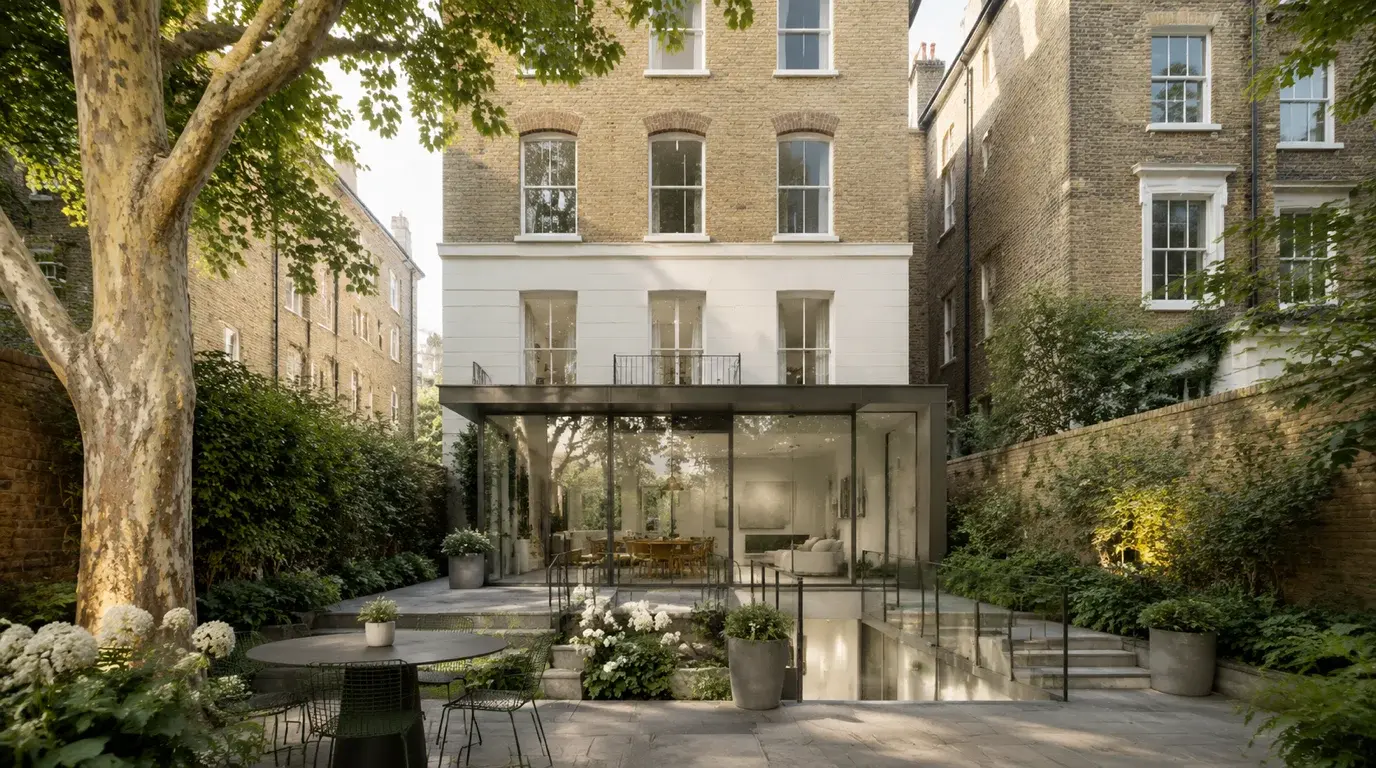
We deliver interior renderings, joinery details and material studies for private clients on prime residential and house-extension projects in London. Every render is built at eye level so the brief is locked in spatial proportion before joinery, stone and bronze go to fabrication.
What we deliver for private client sign-off

- Pack size
- 6 to 10 interior views, 2 to 4 material or joinery details
- Camera
- Eye level at 1500mm, finished floor level
- Material accuracy
- Spec'd to the architect's specification document
- Rounds
- 2 review rounds standard, material samples integrated
- Delivery
- PDF pack plus 4K TIFFs
- Turnaround
- 3 to 5 weeks from approved model
We deliver AVR Level 2 photomontages and conservation-area context plates for heritage consultants on listed-building and conservation-area applications across London. Every viewpoint is registered against retained fabric so the impact reads honestly at the same focal length as the planning officer's site visit.
What we deliver for heritage and conservation evidence


- Pack size
- 4 to 8 photomontages from registered viewpoints
- AVR Level
- Level 2 standard, Level 3 for Grade I or II*
- Retained fabric
- Shown in every plate, annotated where contested
- Heritage Statement
- Integrated as appendix with viewpoint plan
- Delivery
- PDF appendix plus 4K TIFFs
- Turnaround
- 3 to 4 weeks from heritage brief
We deliver TGN 06/19 compliant AVRs for TVIA authors embedding visual evidence inside GLVIA3 sensitivity and magnitude tables on London major applications. Every viewpoint is picked to test the worst-case visual receptor so the assessment defends its sensitivity scoring.
What we deliver inside a TVIA submission
- Pack size
- 8 to 12 verified views from worst-case receptors
- AVR Level
- Level 2 to Level 3 by receptor sensitivity
- TGN compliance
- 06/19 methodology statement included
- Receptors
- Townscape, heritage and designated views
- Delivery
- TVIA-ready appendix plus individual 4K TIFFs
- Turnaround
- 4 to 6 weeks from approved viewpoint study
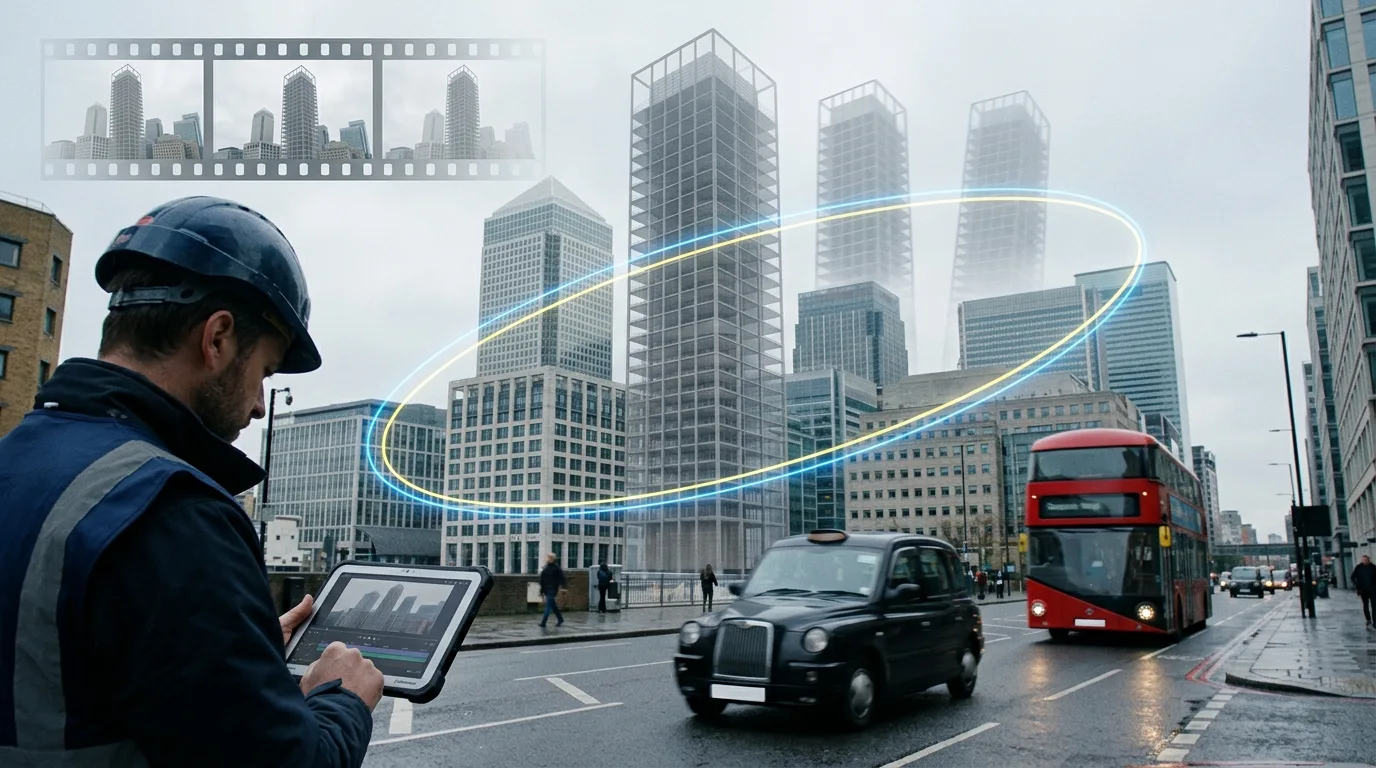
We deliver hero renderings, lifestyle interiors and a 3D walkthrough animation for sales agents launching London residential and BTR schemes. Every visual is built for the marketing suite screen and the brochure double-page so the launch event reads consistently across print, digital and big-screen formats.
What we deliver for an off-plan launch event
- Pack size
- 3 to 5 exterior heroes, 6 to 12 lifestyle interiors, 1 animation
- Animation
- 60 to 90 second walkthrough plus exterior flythrough
- Brand
- Styled per launch brand, agent-aligned colour and tone
- Formats
- 4K TIFF for print, 1080p MP4 for screen, web JPEGs
- Delivery
- Shared folder plus microsite-ready asset bundle
- Turnaround
- 5 to 7 weeks for full launch kit
We deliver annotated photomontage panels and presentation boards for planning committees reading proposals at design review and committee session across London boroughs. Every board is calibrated to the same focal length and the panel's reading distance so each viewpoint compares like-for-like during the meeting.
What we deliver for committee and panel review
- Pack size
- 4 to 8 annotated photomontage boards
- Camera
- All boards calibrated to the same focal length
- Reading distance
- Sized for panel chamber viewing distance
- Annotation
- Viewpoint plan, photo-direction and scheme key
- Delivery
- A1 PDF boards plus 4K TIFFs
- Turnaround
- 1 to 2 weeks from approved photomontages
Services by project stage
Six stages run a scheme from first conversation with the planning officer to handover, and each stage calls for a specific visual package.
-
Pre-application
A small package of exterior CGI and one or two photomontages tests the design with the planning officer before formal submission, working as cheap insurance against a costly refusal later.
-
Planning submission
The pack carries verified views, holds AVRs inside the townscape and visual impact assessment, and embeds the imagery that sits inside the design and access statement. Every visual is tied to a registered viewpoint.
-
Committee and design review
The presentation board carries annotated photomontages, sets out comparative existing and proposed views, and calibrates the layout to the panel's reading distance.
-
Marketing launch
The launch kit leads with hero exterior renderings, follows with interior visualisations for the brochure and microsite, and adds neighbourhood context views that place the scheme in its London street.
-
Off-plan sales
The sales suite runs interior CGI for each apartment type, displays lifestyle frames for the marketing suite, and loops an optional 3D walkthrough on the sales floor screen.
-
Handover and asset library
The final marketing pack collects the still imagery, archives the animation master files, and leaves a verified record of as-built design intent for the developer's archive.
Planning evidence, marketing imagery and design review read CGI differently
The same building can need all three readings. The brief, lighting and camera choice differ for each one.
Planning evidence
A planning officer reads a CGI to evidence the proposal's impact at the registered viewpoint and needs camera accuracy, daylight realism and retained context held in frame.
Marketing imagery
A marketing director reads a CGI to sell a lifestyle and a sense of place and needs atmosphere, occupancy, aspirational lighting and recognisable neighbourhood character.
Design review
Architects and private clients read CGI to confirm design intent before construction and need material accuracy, joinery sightlines and spatial proportion at eye level.
The studio covers ten London services, from AVR Level 0 verified views to architectural animation
Ten services across planning, marketing, design review and sales. Click through to a service page for scope, deliverables and recent work in your borough.
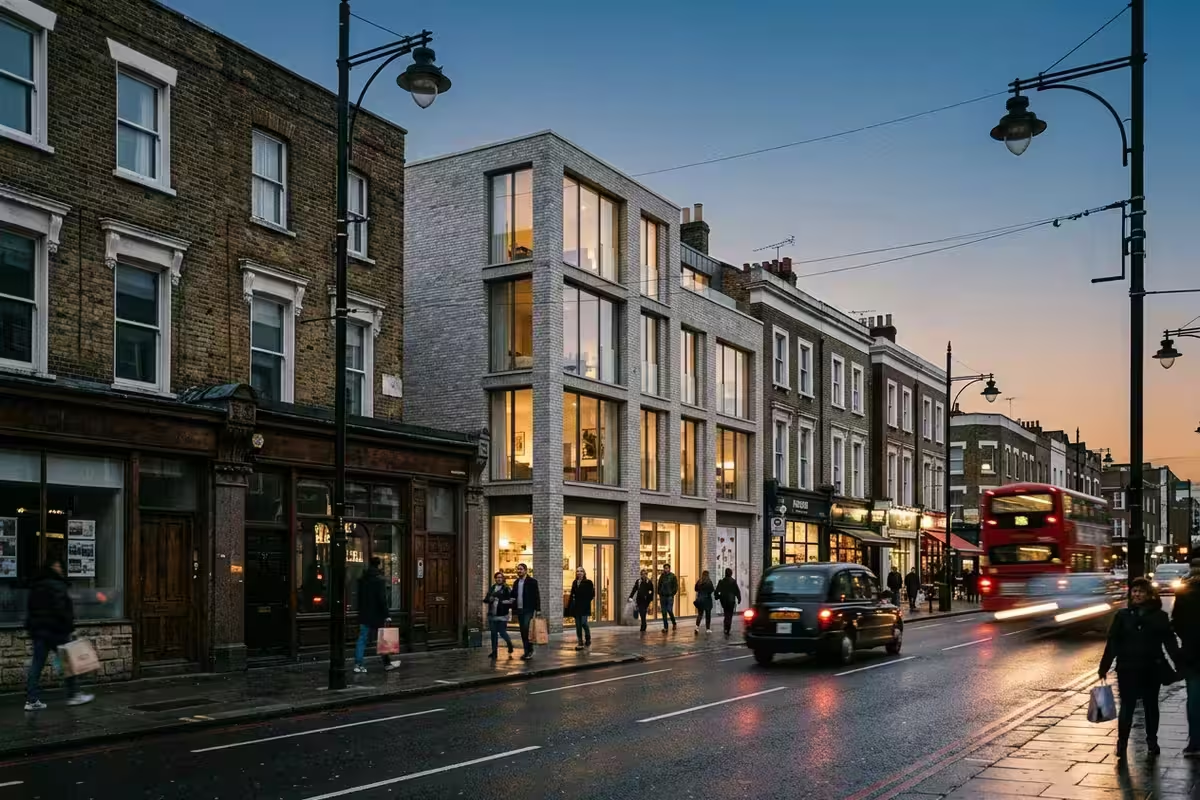
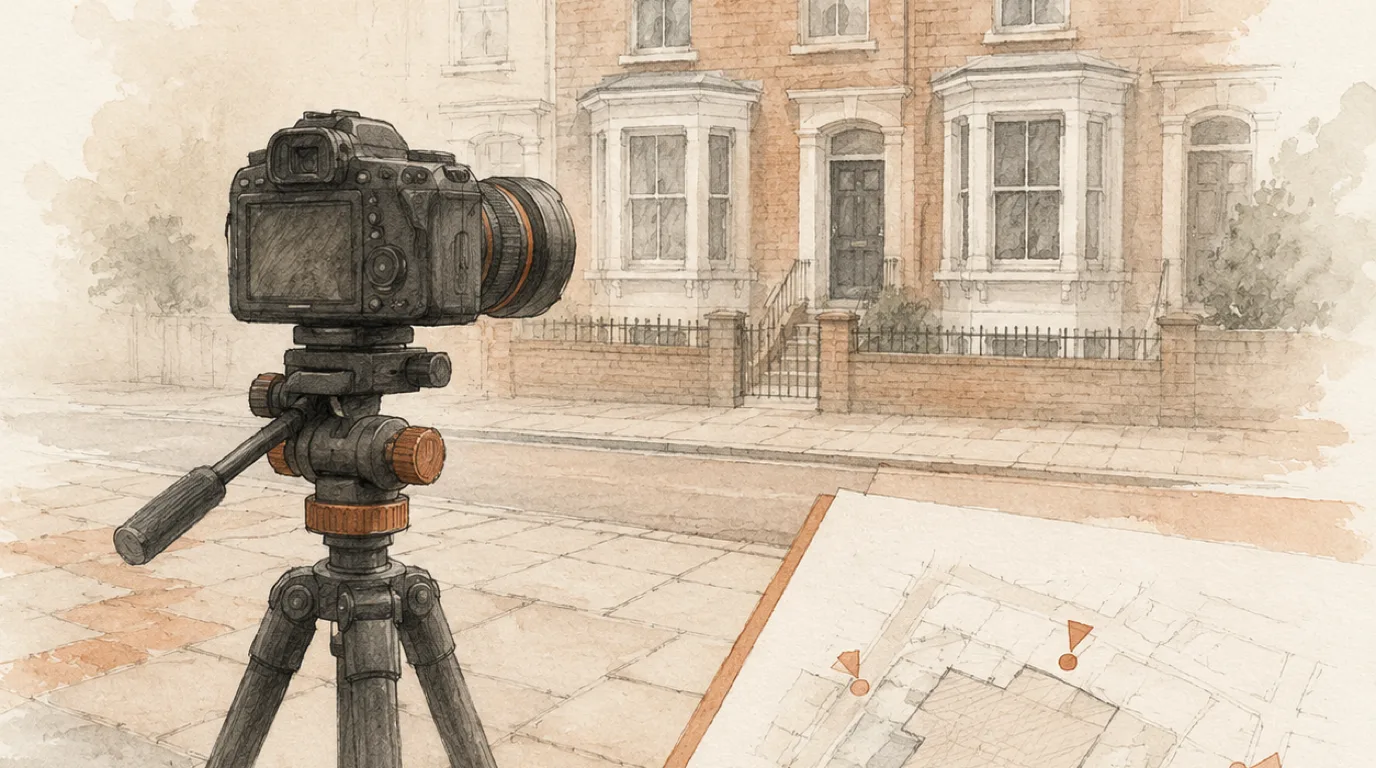
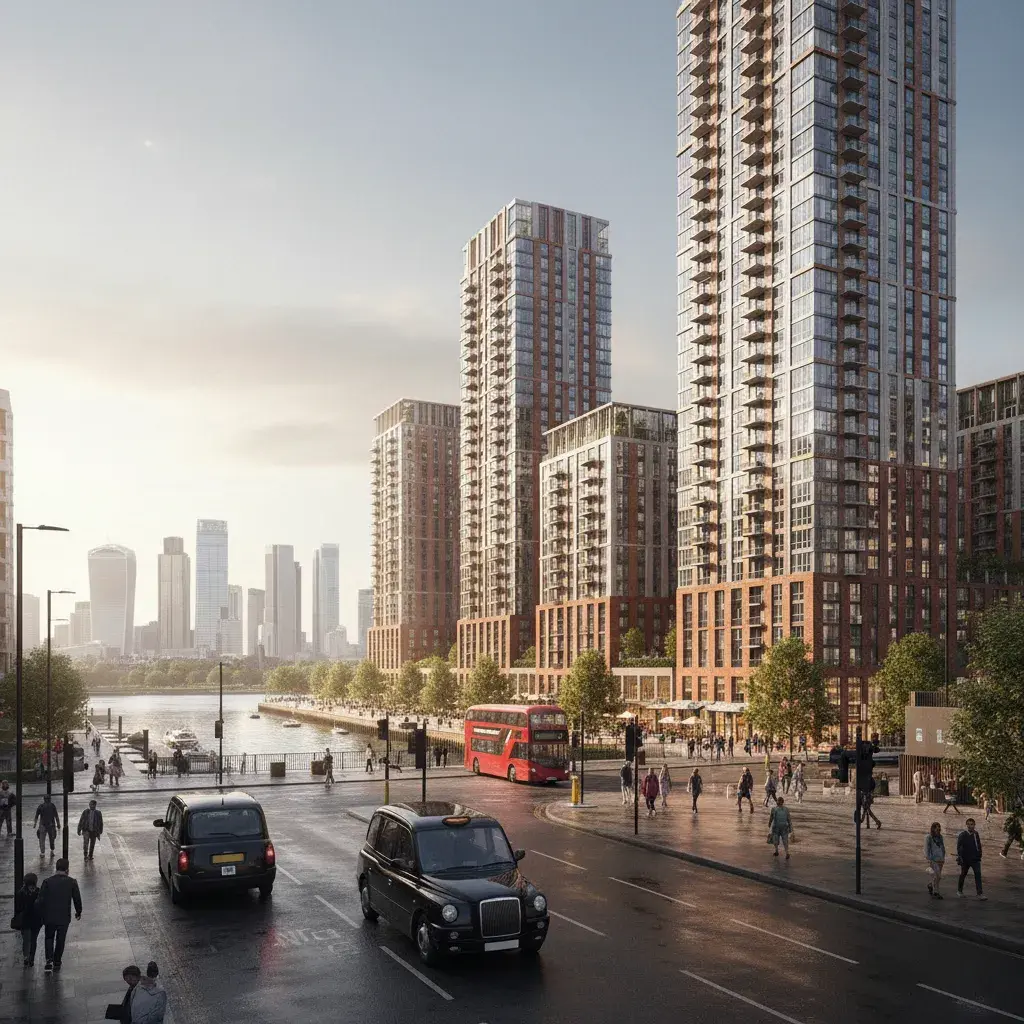
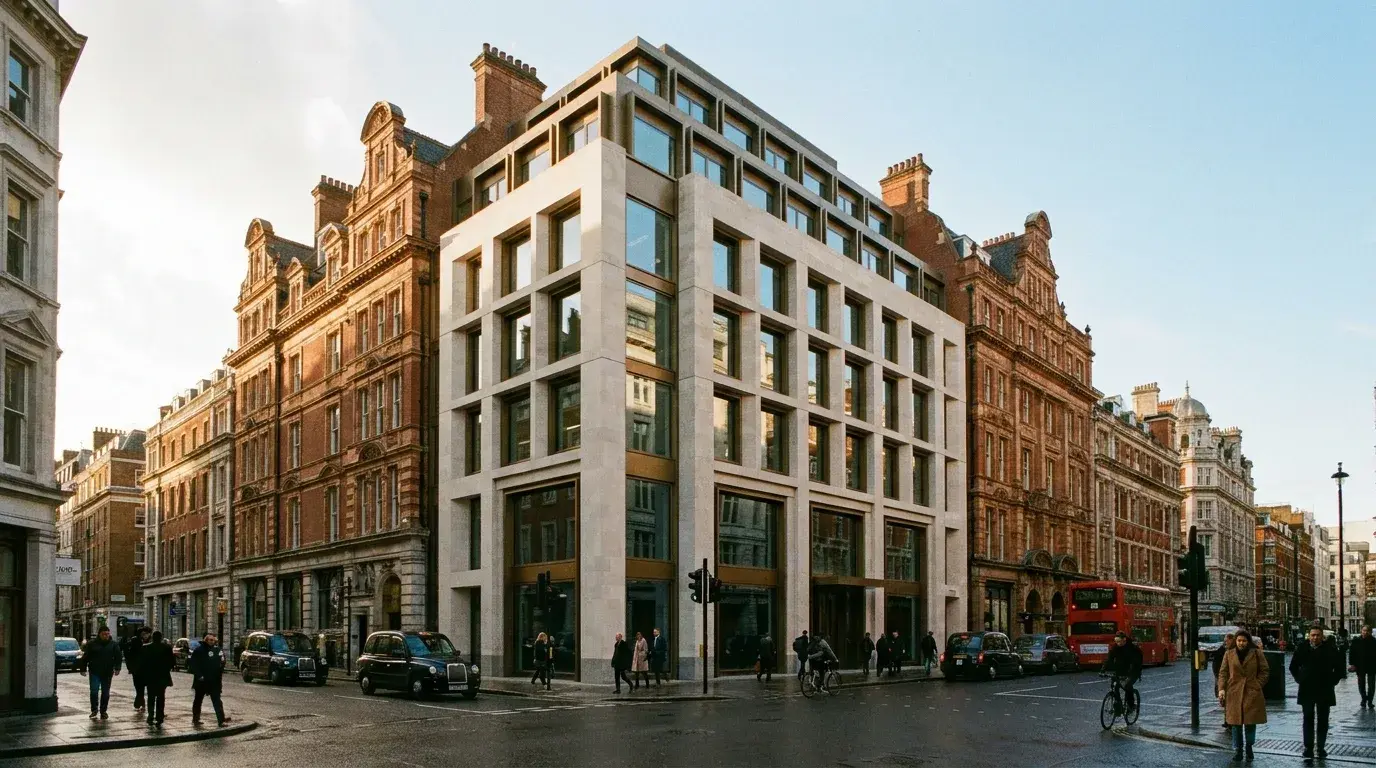
Greater London borough coverage
Recent work has run through the conservation boroughs (Westminster, Royal Borough of Kensington and Chelsea, Camden) and the major-development boroughs (Tower Hamlets, Hackney, Southwark). Conservation work calls for verified views and camera-matched photomontage. Major-development work draws on the full deck: planning visuals, AVRs at Level 2 to 3, interior CGI per apartment type, and a walkthrough animation for the launch.
Architectural Visualisations London also delivers projects across the rest of the UK, Ireland and continental Europe, usually when a London-based architect or developer takes a brief elsewhere. The same team applies the same workflow and AVR standards to those commissions.
Browse case studies and visualisation guidance for each London borough →
Frequently asked questions
Hub-level questions that span multiple services. For format-specific questions, each service page carries its own FAQ.
How do I choose between verified views, photomontage and a standalone render?
It depends on what the image needs to prove. Verified views carry survey-grade accuracy and a registered viewpoint, required for major planning applications, townscape submissions and LVMF designated views. Photomontage uses real site photography but does not always require survey-grade matching, so it works for design review, committee panels and marketing. Renders use no site photo at all and suit interiors, completed-scheme marketing and any brief where the building matters more than the context. The disambiguation section near the top of this page sets out the difference with examples.
How early should we commission visuals, pre-application or after?
Both stages serve different decisions. A small pre-application pack (one or two photomontages, an AVR Level 1 or 2 wireframe) tests the design with the planning officer before formal submission. This early pack can identify viewpoint or design questions before the full planning package is produced. The main pack (verified views, AVRs, design and access statement imagery) is then produced for the submission itself. Bringing us in pre-application also means the camera study is already approved by the time the planning officer asks for verified views.
What do you need from us to quote a brief?
Three things: the architect's 3D model (Revit, SketchUp, Rhino or 3ds Max), your deadline and the intended use (planning, marketing, design review or sales). With those three we can scope the pack, quote a costed deliverable and confirm turnaround. If you already have a viewpoint study or borough-listed viewpoint requirements, send those too. They save a round of camera approval.
Do you work outside London?
Yes. London is our primary base. Most projects run through the conservation boroughs (Westminster, Royal Borough of Kensington and Chelsea, Camden) and the major-development boroughs (Tower Hamlets, Hackney, Southwark). We also ship work to the rest of the UK, Ireland and continental Europe when a London-based architect or developer takes a brief elsewhere. Same workflow, same AVR standards, same team.
Can you work with our architect's model and survey data?
Yes. We work directly from the architect's BIM model, including Revit, SketchUp, Rhino, 3ds Max and ArchiCAD. We also accept supplied survey data, including topographical surveys, photographic plates, GNSS-fixed viewpoint coordinates and LVMF camera data. If survey data has not been collected yet, we can run the viewpoint study to TGN 06/19 or coordinate with your appointed surveyor.
What is the typical turnaround for a planning application pack?
Three to four weeks from the approved camera study, for a standard six to eight view planning pack at AVR Level 2. Faster turnarounds are possible for a single-view pre-application piece (one to two weeks). Larger TVIA submissions with eight to twelve verified views and a methodology statement run four to six weeks. We schedule production around your committee or submission date. Name the date and we work backwards.
Planning application, off-plan launch or design review? Send the drawings.
Send drawings, deadline and intended use. We will scope the visualisation around the decision: a planning committee, a sales launch, a private client sign-off, or all three. Coverage across Greater London, AVR Level 0 to 3 verified views, interior CGI and architectural animation.