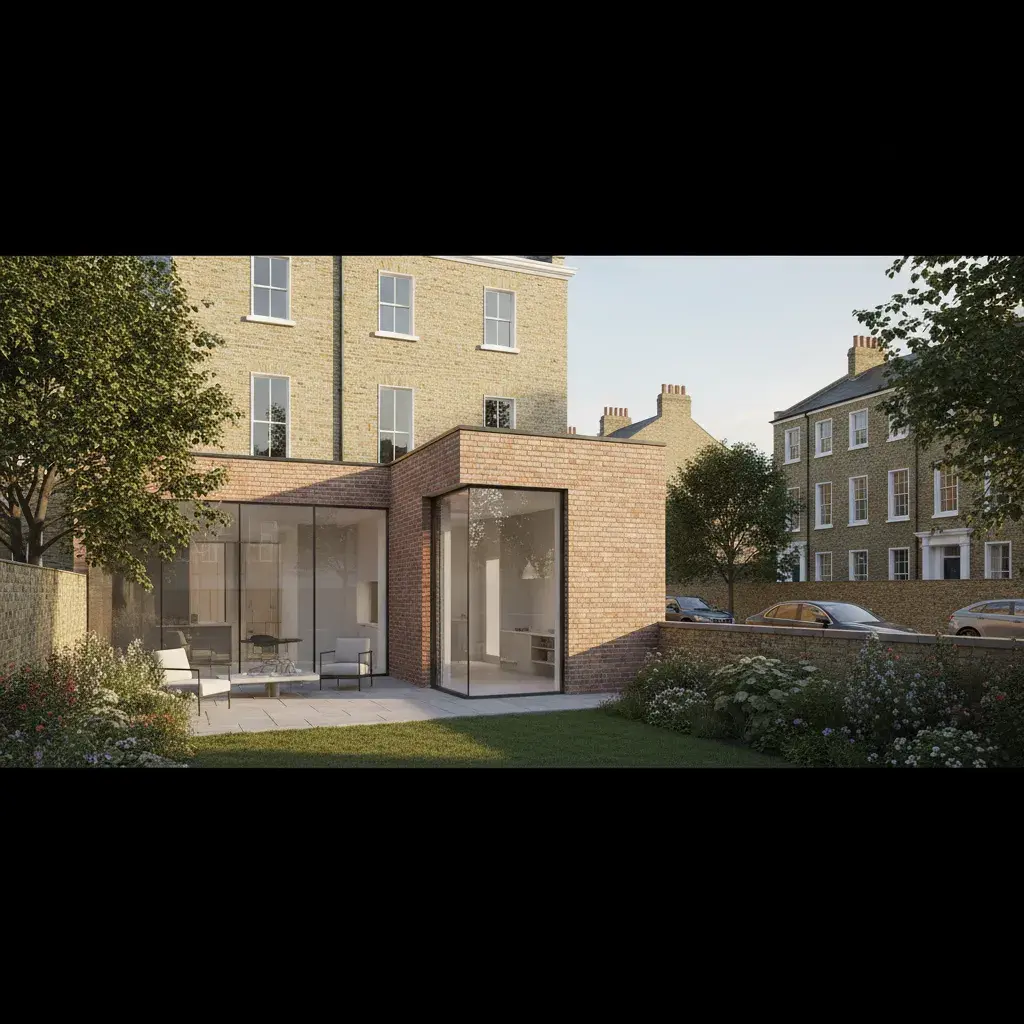
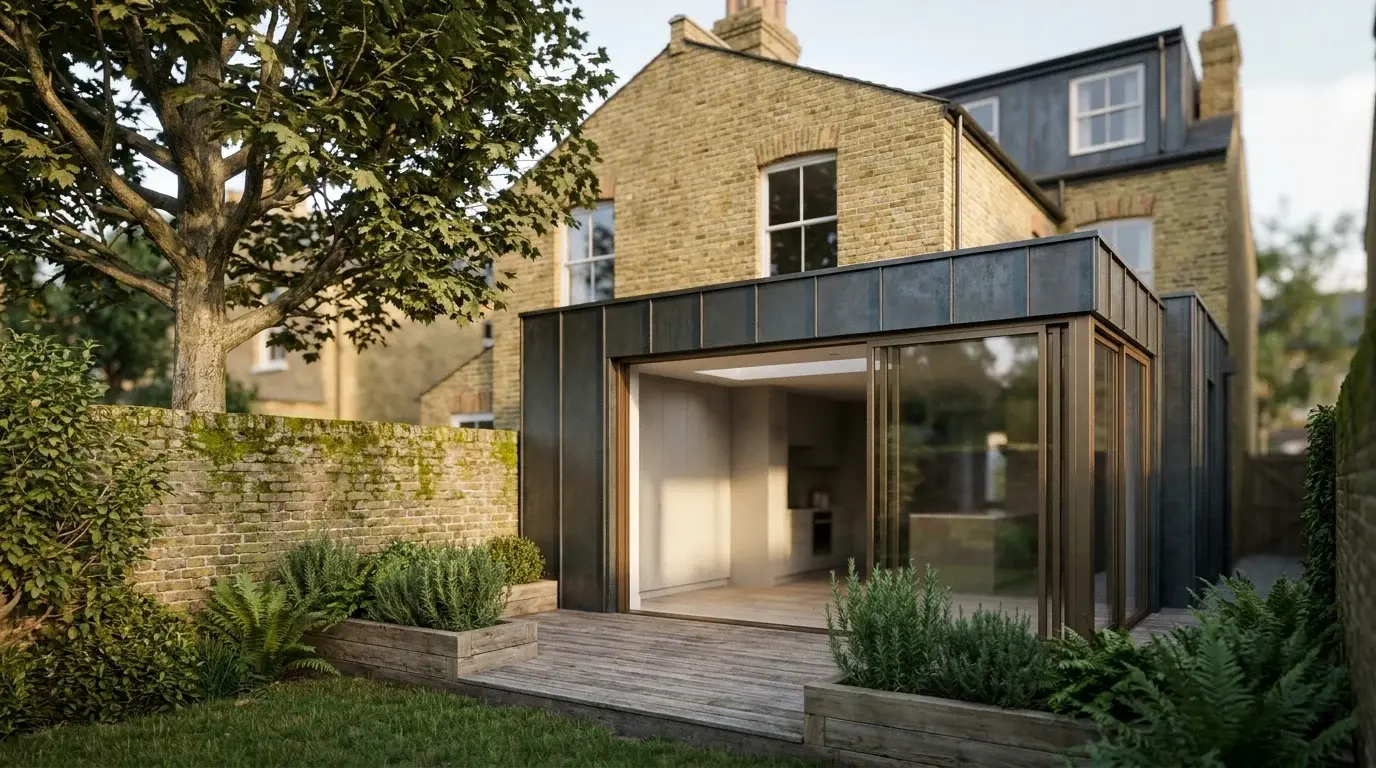
Premium Kensington and Chelsea house extension architectural visualisation
House Extensions

House extension CGI for London homeowners and architects

Visualisations for London extensions, loft conversions, basements, and refurbishments where clients, neighbours, and planners need to understand the proposed change before construction. Each view is scoped around the decision it supports: planning submission, design sign-off, neighbour explanation, or contractor coordination. Side returns, rear and wraparound extensions, lofts, dormers, mansards, basements and lightwells, covered across Camden, Islington, Hackney, Wandsworth, Lambeth, Westminster and Kensington & Chelsea.

Request a quote
Decision Support

What house extension CGI shows before submission or build

House extension CGI turns drawings, sketches, site photographs, and material references into images that explain the proposed change in context. The useful image is not only a polished view of the finished kitchen or garden room. It shows scale, massing, roofline, brick tone, glazing, rooflights, garden threshold, boundary walls, and the relationship with neighbouring homes.

For London homeowners and architects, house extension CGI is most valuable when a proposal needs to be understood by people who do not read plans every day. That can mean a homeowner comparing two rear extension options, an architect preparing a householder planning submission, or a project team checking whether a dormer, side return, basement lightwell, or wraparound extension feels proportionate before money is committed to construction.

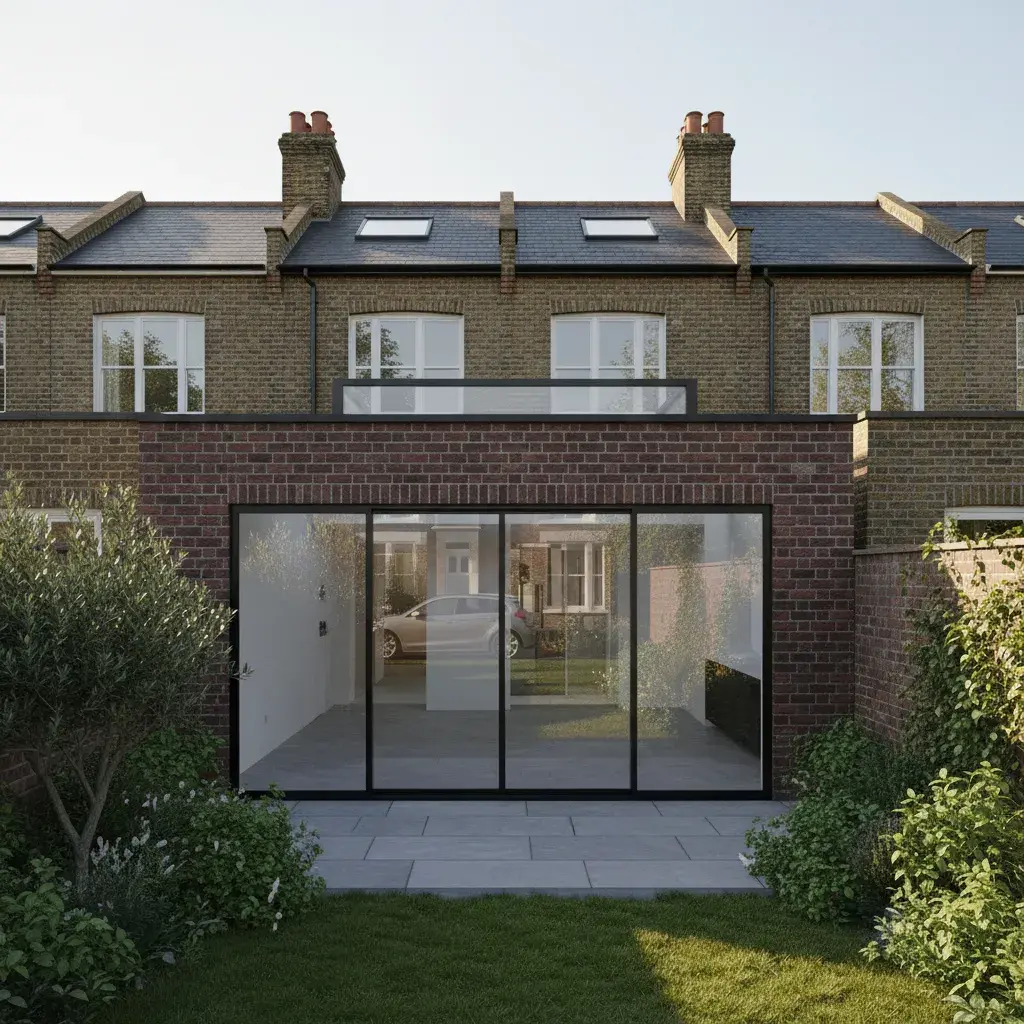
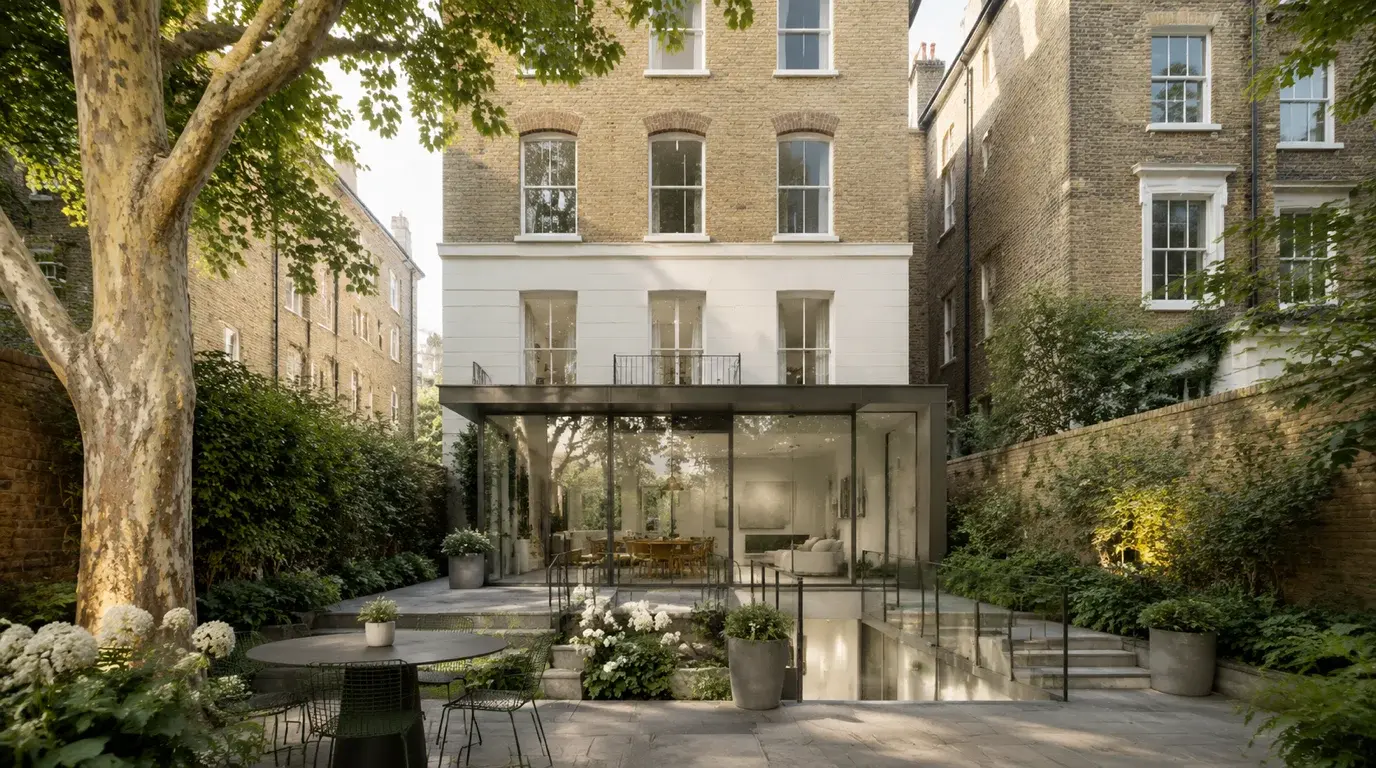
House extension CGI showing a London rear extension with rooflights, glazing, garden threshold and neighbouring boundary walls
Decision view Scale, roofline, garden threshold and neighbour boundary architecturalvisualisationlondon.uk
Rear-garden viewpoint used to test the extension mass, glazing rhythm and boundary relationship before planning or construction.
  • Existing and proposed views from drawings, elevations, sketches, or measured survey files
  • Neighbouring context, party walls, boundary treatments, roofline, and garden setting
  • Material, glazing, rooflight, and daylight options for client sign-off
  • Images for planning, neighbour explanation, contractor coordination, or design review
Kennington terrace house extension CGI explaining material tone and garden threshold
Extension Types

CGI for side returns, rear extensions, lofts and basements

London extension CGI usually has to solve one of four visual problems: how a side return uses a narrow terrace plot, how a rear or wraparound extension meets the garden, how a loft conversion changes the roofline, or how a basement lightwell and stair connect new lower-ground space to the existing home. Each type needs different viewpoints.

Extension type Typical London property Visual risk Useful views
Side return extension Victorian or Edwardian terrace Boundary wall height, glazing rhythm, daylight into the kitchen, and neighbour outlook Garden view, kitchen view, party-wall context, rooflight study
Rear or wraparound extension Terrace, semi-detached, or townhouse plot Depth, massing, brick match, garden threshold, and the amount of visible glazing Rear elevation, oblique garden view, interior dining view, material option
Loft conversion CGI Mansard, dormer, hip-to-gable, or roof terrace proposal Roofline, dormer cheeks, window proportions, and conservation-area visibility Street view, roofline view, rear view, interior bedroom view
Basement visualisation Prime residential plot or townhouse refurbishment Lightwell, stair, privacy, garden level change, and lower-ground daylight Section-style CGI, garden threshold, lightwell view, interior living view
Planning Evidence

Planning visuals for conservation areas and neighbour-sensitive plots

Many London house extensions sit inside tight terrace streets, conservation areas, or plots where neighbours are close to the proposed rear wall, roof dormer, terrace, or lightwell. House extension CGI helps explain the design in ordinary visual terms: what the extension hides, what it exposes, how far it projects, how high the roofline reads, and whether the proposal feels subordinate to the existing house.

Some extensions may use permitted development, while others need planning permission. Conservation areas, listed settings, Article 4 directions, roof alterations, and local borough policy can change that route. We keep the CGI factual: the image shows the proposal, the existing context, and the visual relationship. Your architect, planning consultant, local planning authority, and Planning Portal guidance decide the planning route.

  • Conservation area
  • Article 4 direction
  • Curtilage listed
  • BRE 209 daylight and sunlight
  • Party Wall Act notices
  • Vertical sky component (VSC)
  • Neighbour consultation
  • Lawful Development Certificate (LDC)

Where the site needs stronger planning evidence, we bridge the extension package into one of three specialist services. The house extension page stays focused on domestic extension intent; the sibling pages explain the specialist methods. For larger, multi-unit schemes or custom housing estates, we transition from individual domestic briefs to our comprehensive residential developments cgi and property marketing packages.
  • Conservation-area CGI can show brick tone, roof form, glazing proportion, and visibility from the street.
  • Neighbour-sensitive CGI can show overlooking, boundary treatment, garden depth, and the rear elevation relationship.
  • Householder planning CGI can sit beside drawings when the proposal needs a clear view of scale and massing.
  • Photomontage or verified views can be added when the local context needs a camera-matched evidence image.
Design Choices

Materials, glazing, daylight and garden relationship

House extension CGI gives the design team a place to test decisions that are hard to judge from drawings alone. Brick tone can make a rear extension feel calm or heavy. Zinc dormer cheeks can read sharp or intrusive depending on the roofline. Large glazing can brighten the kitchen but also change privacy, reflection, and the way the extension reads from the garden.

For homeowners, the image often settles practical questions: whether the kitchen-dining flow works, where rooflights should sit, how a step to the garden feels, and whether interior finishes carry through to the exterior threshold. For architects, the same CGI can make design intent clear enough for a client, neighbour, or contractor to respond to the actual proposal rather than a guess from plan and elevation drawings.

Facade and roof

London stock brick, lime mortar pointing, slate or zinc dormer cheeks, Crittall steel-framed glazing, timber sash windows, standing-seam metal, parapet height, rooflight size, and roofline visibility.

Light and glazing

Glazing proportion, daylight reach, privacy, reflection, internal brightness, and the balance between solid wall and glass.

Garden and interior

Kitchen-dining flow, garden threshold, terrace level, boundary walls, planting, and the relationship between inside and outside space.

Our Process

A clear route from brief to final image

House extension CGI works best when the brief starts with the decision the image needs to support. That can be planning submission, client sign-off, material comparison, neighbour explanation, contractor coordination, or early feasibility. We model in Revit, SketchUp, or Rhino, render in V-Ray or Corona with HDRI lighting, and use photo-matched cameras for an existing-and-proposed comparison. For a broader view of how we manage CGI commissions, visit our architectural visualisation process.

  1. Review plans, elevations, photos, existing site constraints, and the client decision points.
  2. Agree the views that best explain the side return, rear extension, loft, basement, or alteration.
  3. Model the existing property, proposal, garden, boundary conditions, and immediate neighbour context.
  4. Refine materials, glazing, daylight, and camera position before delivering final visuals for review or submission.
Quote Inputs

What we need to quote a house extension CGI package

A quote depends on the number of views, the stage of design information, and the level of context needed. A simple material option for a rear extension is different from a camera-matched planning photomontage for a conservation-area roof alteration. Send what you have; we will tell you what is enough and what still needs clarifying.

  • Borough, address area, and planning stage
  • Plans, elevations, sections, sketches, or measured survey files
  • Existing photographs from the street, garden, and neighbouring context
  • Preferred viewpoints or the decision each view must support
  • Material references for brick, glazing, rooflights, dormers, render, metal, or landscaping
  • Conservation-area, listed-setting, Article 4, or neighbour-sensitivity notes
  • Intended use: planning, neighbour explanation, client sign-off, contractor coordination, or marketing
  • Deadline, review route, and any required image sizes or submission formats
Recent Example Imagery

Rendered reference for similar extension briefs

Hampstead house extension CGI
Hampstead rear extension, conservation-area roofline study
Balham terrace residential extension CGI
Balham terrace side return, glazing and garden threshold
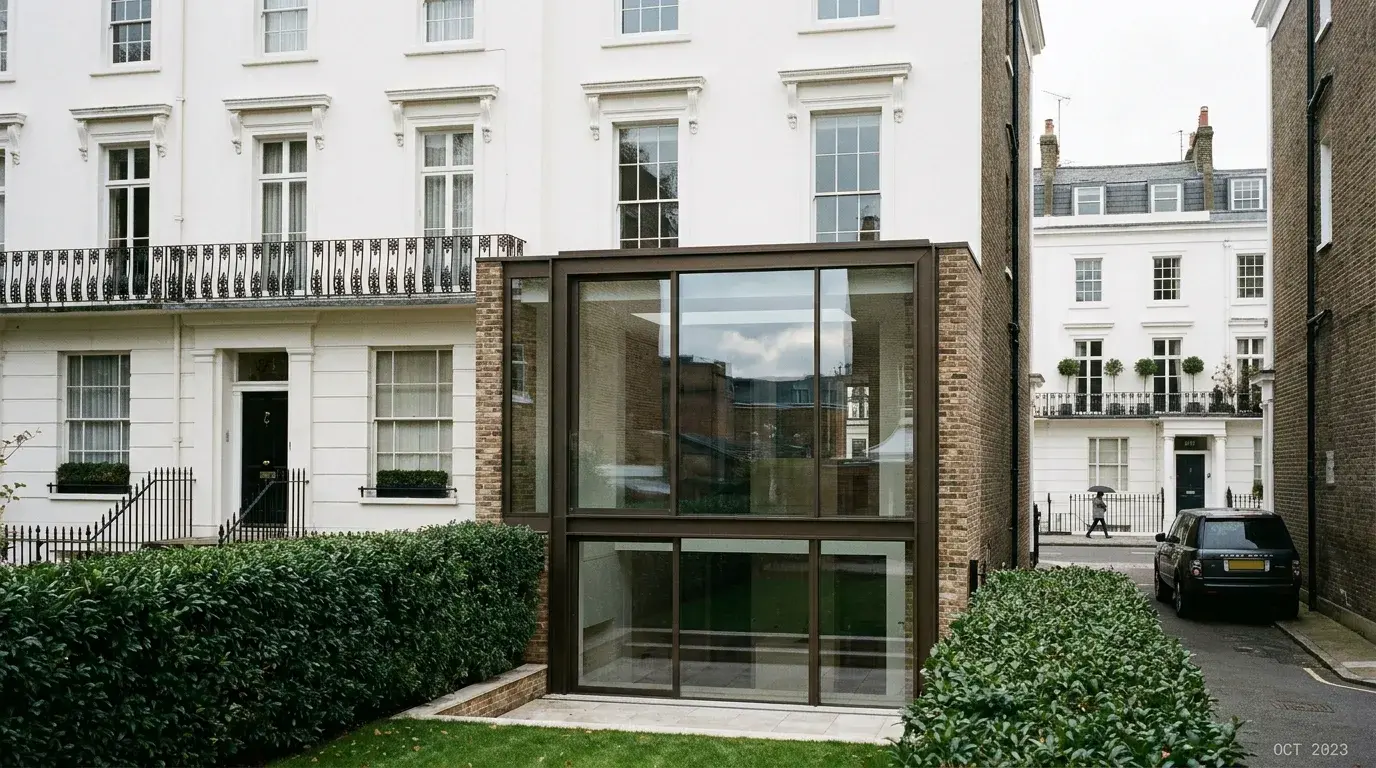
Belgravia conservation-area extension visual
Belgravia conservation-area extension, brick and material tone
FAQ

House extension CGI questions

Does CGI help with planning permission?

House extension CGI can help a planning officer, neighbour, or design team understand scale, massing, materials, glazing, and context. It does not guarantee permission. The planning route depends on the proposal, borough policy, permitted development limits, conservation constraints, and professional planning advice.

Can CGI show a permitted development extension?

Yes. CGI can show a permitted development route as a visual proposal, especially where a homeowner wants to understand the design before building. Permitted development limits and conditions are route-dependent, so the visual should sit beside advice from your architect, planning consultant, local authority, or Planning Portal guidance.

How many views does a house extension need?

Most domestic extension packages use two to four views: one main garden or street context view, one closer material view, and one or two interior or threshold views. Conservation-area, neighbour-sensitive, or roofline-sensitive sites may need more specific viewpoints.

Do you need full planning drawings?

Full drawings help, but early CGI can start from measured plans, elevations, sketches, site photographs, and a clear design brief. The less fixed the design information is, the more the CGI acts as a decision tool rather than a final submission image.

Can CGI help neighbours understand the proposal?

Yes. A clear rear or side view can show boundary walls, projection depth, privacy, overlooking, garden relationship, and roofline in a way that plans alone often do not. The image should stay factual and avoid hiding sensitive parts of the proposal.

When does an extension need verified views?

Most domestic extension CGI does not need verified views. Sensitive conservation-area, listed-setting, townscape, or long-view contexts may need a camera-matched method. In those cases we bridge the package into our verified views service rather than treating every house extension image as an AVR.

Start the Brief

Request a quote for your London project

Send drawings, references, deadlines, and intended use. We will scope the visualisation around the decision it needs to support.

Request a quote