Prime and super-prime residential interior CGI
Belgravia, Mayfair and South Kensington interiors use CGI to lock joinery, stone, fabric and daylight decisions before client sign-off or listing launch.

Interior CGI London produces photoreal still images as the architectural representation layer for architects, residential developers, sales agents, interior designers, hospitality operators and private clients.
The service covers prime residential, show apartments, hospitality, workplace, retail showroom and heritage interiors. Day, dusk, night and material-swap variants are scoped from plans, sections, BIM models or finish schedules and delivered at print and digital resolution. Each image is scoped around a design decision or sales deadline, from RIBA design sign-off to off-plan marketing and investor review.
Request an interior CGI quoteInterior CGI in London is commissioned by six distinct teams, each one bringing a different design or commercial question to the project and a different downstream reader for the final image.
Architects working RIBA stage 3 to 4 use interior CGI to test volume, daylight reach, joinery proportion and material junctions before construction drawings issue.
The handover usually arrives as a Revit or IFC model with reflected ceiling plans and a finish schedule. The final image goes to a planning case officer, the project architect on a coordination call, or the client signing off the design package.
Interior designers commission interior CGI when colour, texture, FF&E and lighting decisions need a spatial reference more honest than a flat moodboard. The image goes to the private client at sign-off, then enters supplier conversations with joinery and lighting workshops where the rendered material has to match the procurement specification.
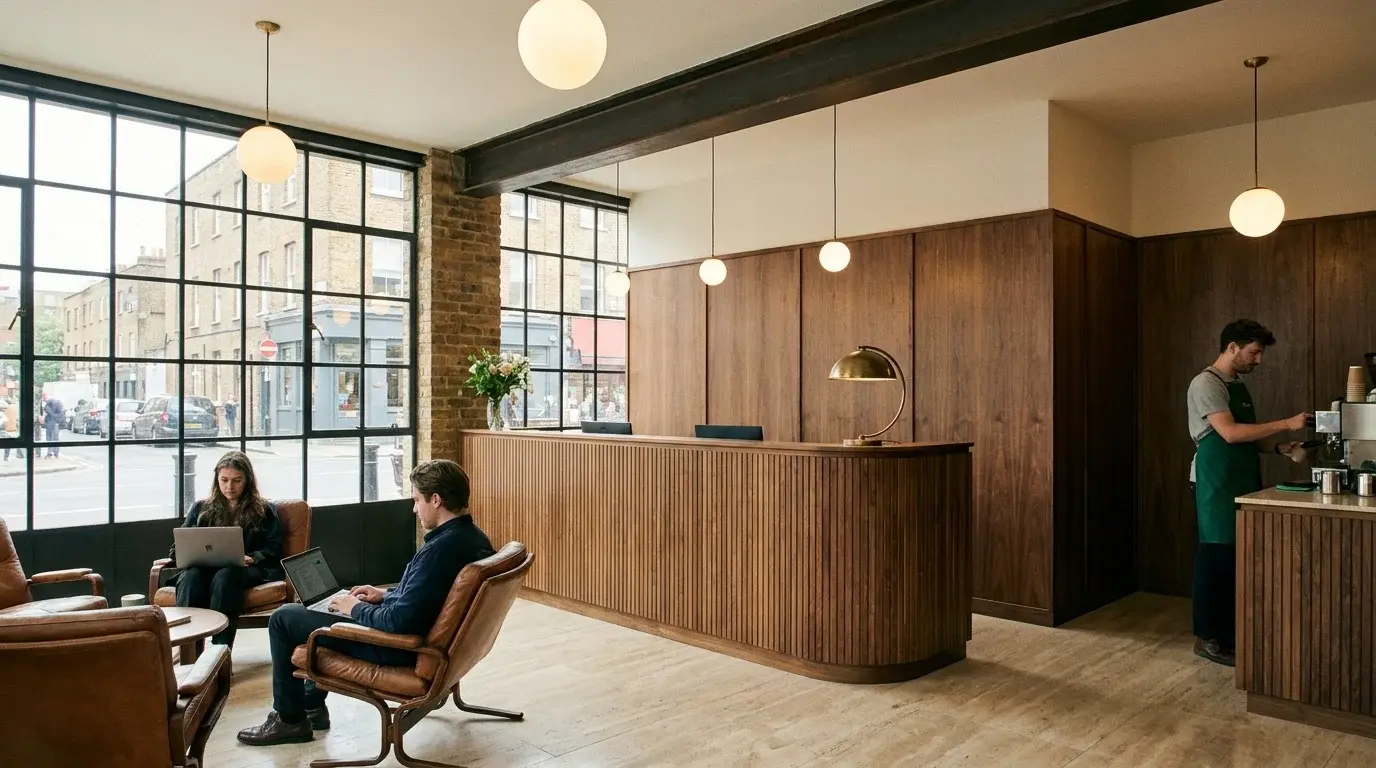
Residential developers launching off-plan in Canary Wharf, Nine Elms, Battersea Power Station, White City and Wembley Park use interior CGI to fill a marketing pipeline with no built interior to photograph.
Hero units, typical floorplans and amenity floors are visualised from the BIM model and finish standard pack, then deployed across Rightmove, the developer microsite and the on-site sales suite.
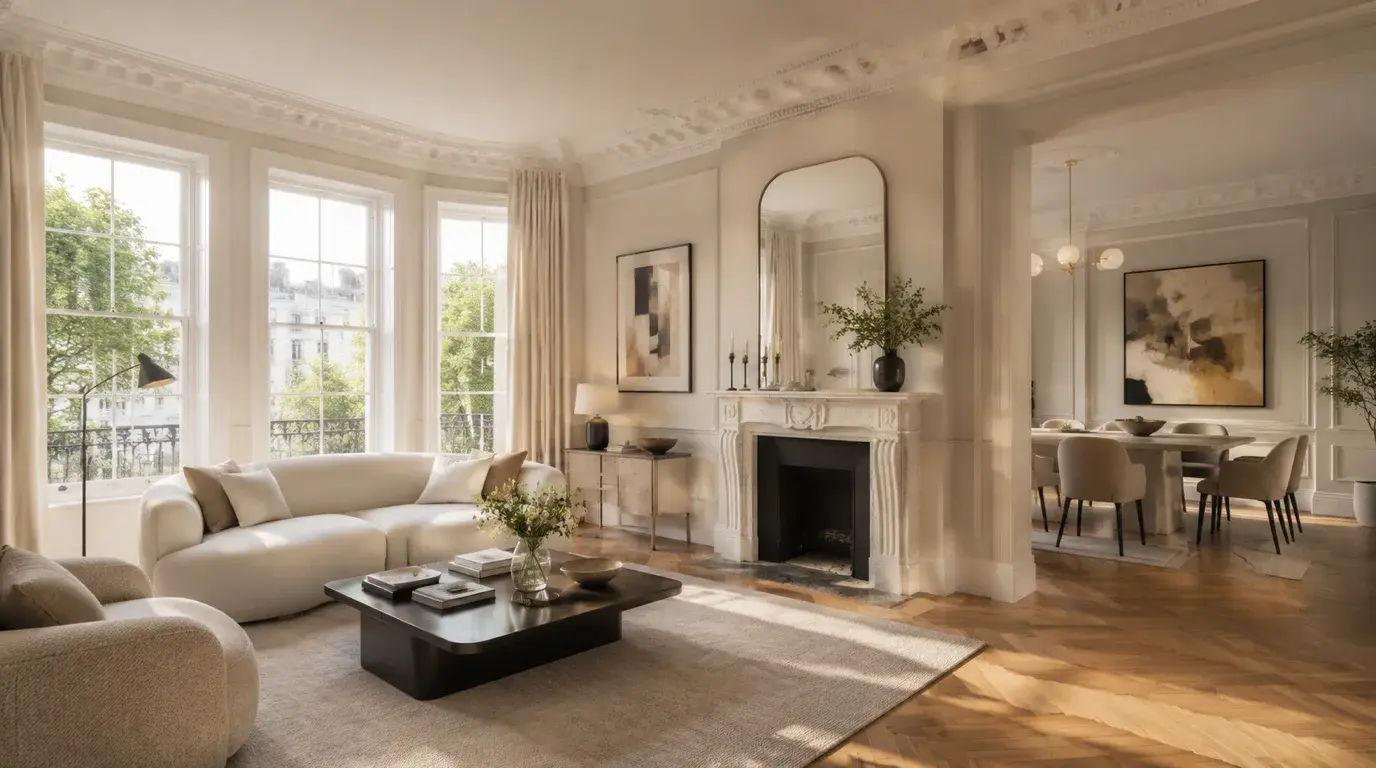
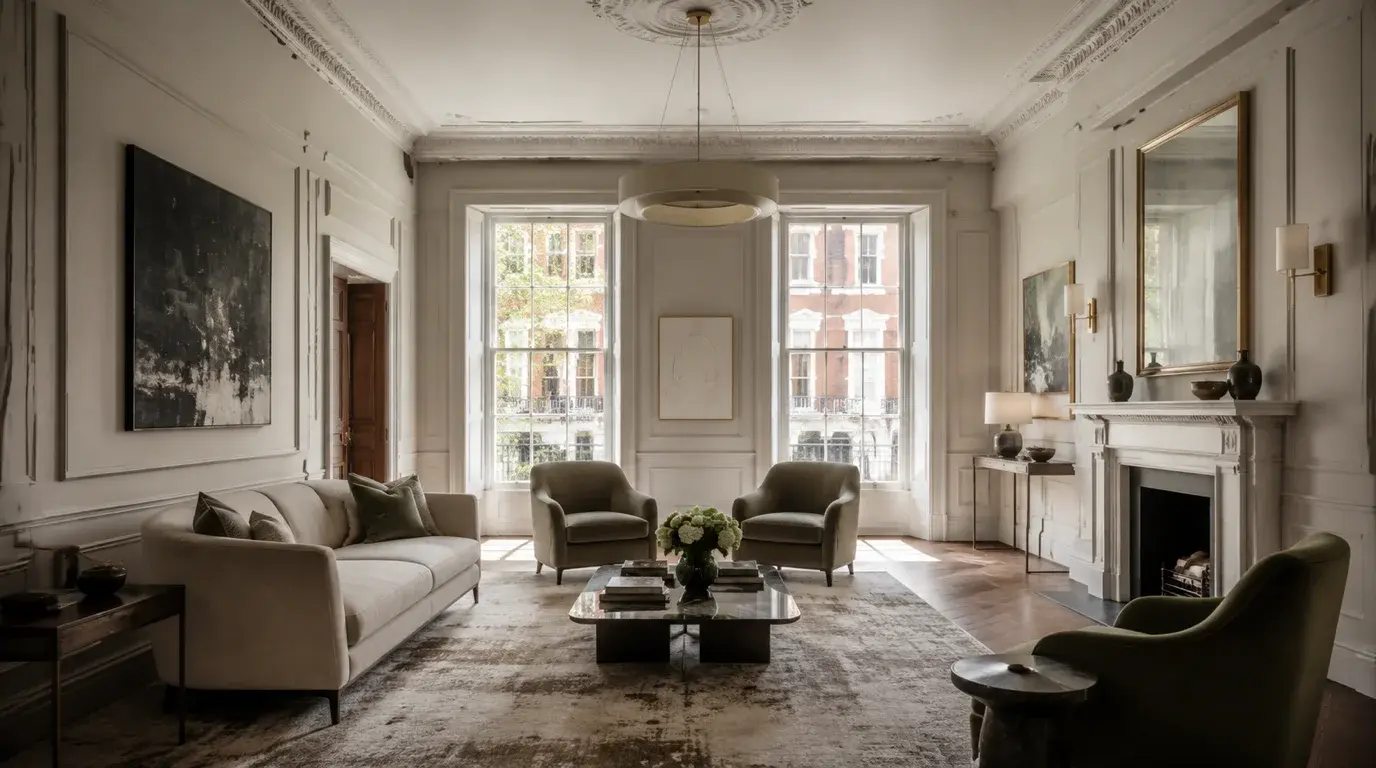
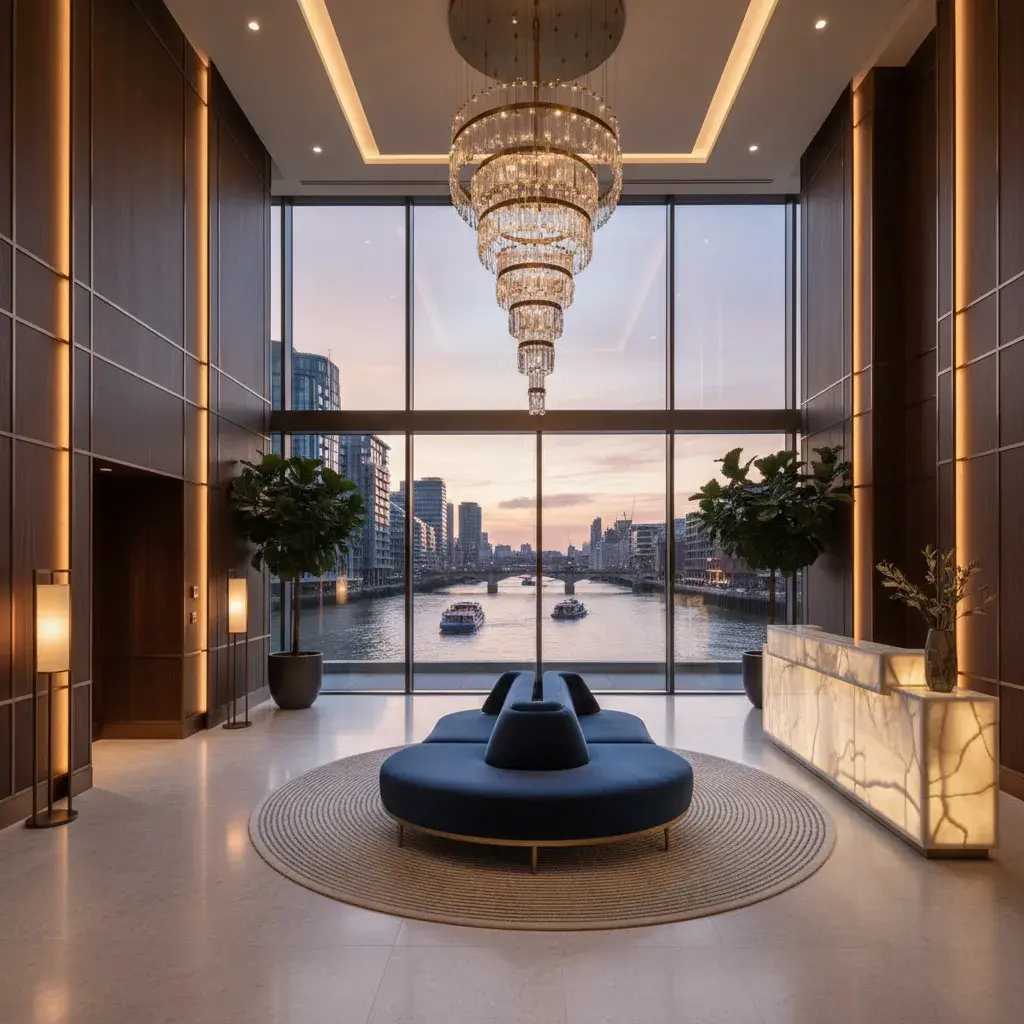
Sales agents handling prime and super-prime listings in Belgravia, Mayfair, Knightsbridge, Notting Hill and St John's Wood use interior CGI when an empty listing sits too long against neighbouring stock that is already staged or furnished. The deliverable is portal-ready stills sized for Rightmove, Zoopla, OnTheMarket and PrimeResi, calibrated to the listing's price tier.
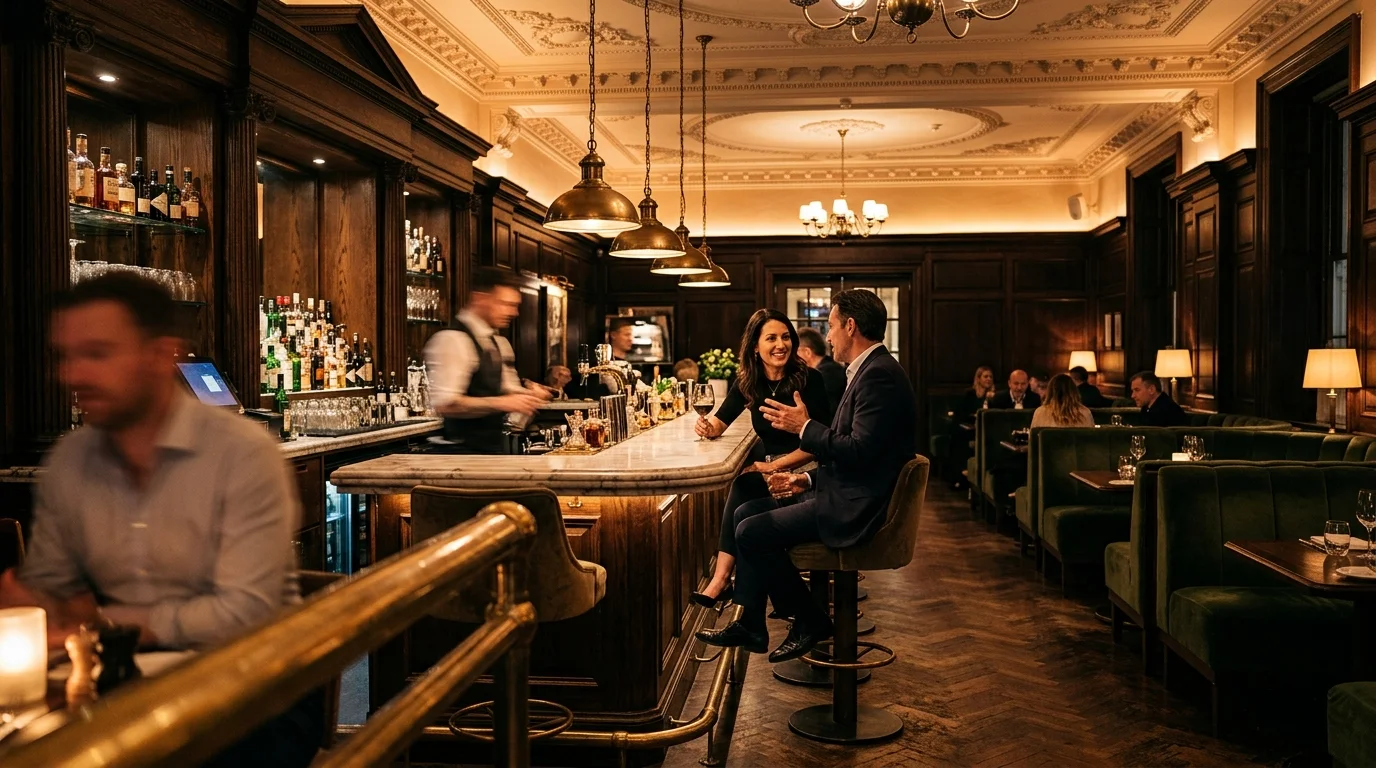
Hospitality operators use day, dusk and night variants of lobby, suite, restaurant, bar and amenity interiors well before opening to feed three downstream audiences in parallel: hotel debt and equity raises, brand investor decks, and pre-opening trade press and travel media. The brand book and finish palette dictate the lighting and styling register.
Private clients in Belgravia, Mayfair, Kensington, Chelsea and Hampstead commission interior CGI to test finish, joinery, lighting and styling decisions before procurement spend commits. The image is normally reviewed with the interior designer in the room, then carried to joinery and lighting suppliers as the procurement reference for shop drawings and orders.
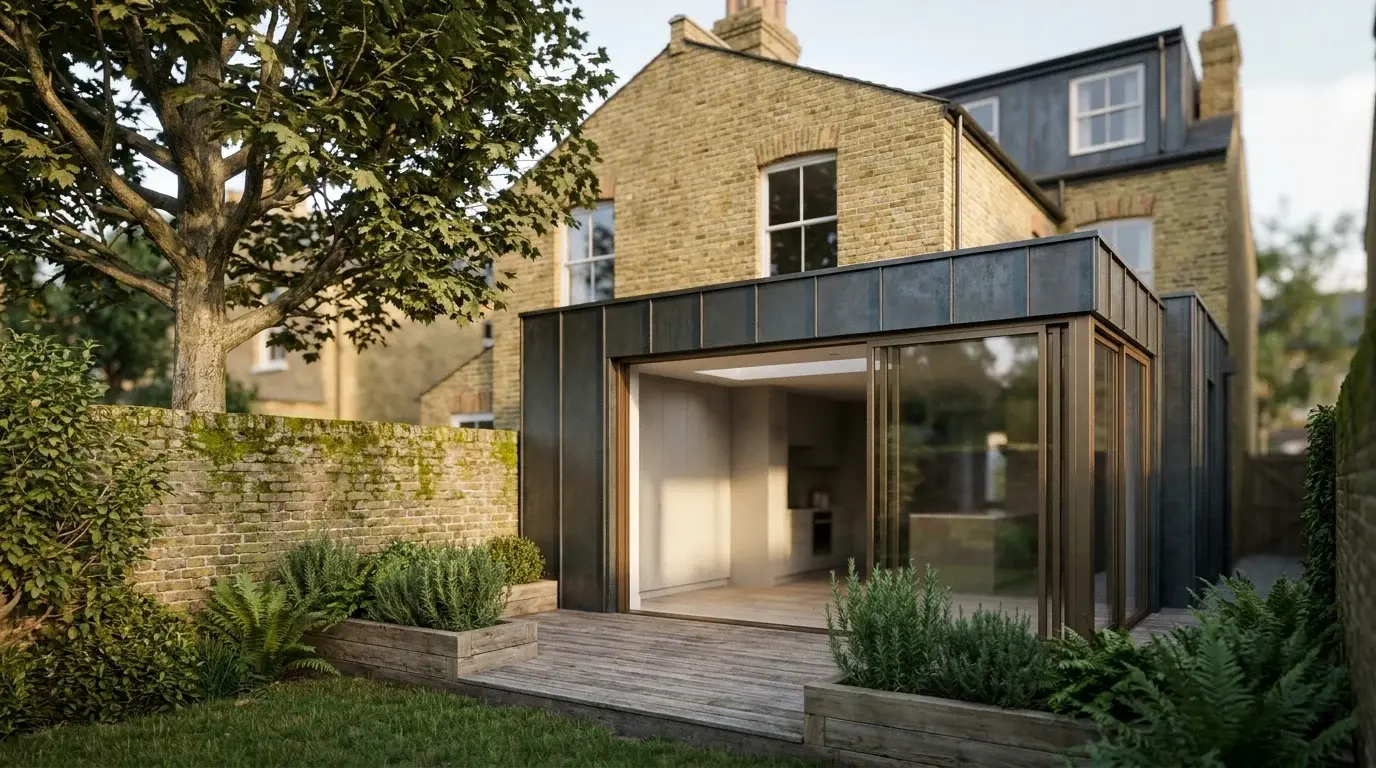
London interior CGI briefs cover six project types. Each one asks a different visual question, so the camera language, finish detail and revision focus shift accordingly.
Belgravia, Mayfair and South Kensington interiors use CGI to lock joinery, stone, fabric and daylight decisions before client sign-off or listing launch.
BTR, PRS, co-living and student schemes use show-apartment CGI to support portal listings, sales-suite walls and brochure image sets before the building is complete.
Mayfair, Soho and West End hospitality teams use lobby, suite, restaurant and bar CGI for investor packs, brand approvals and pre-opening press material.
Canary Wharf, Clerkenwell and White City office briefs use CGI to test reception sequence, floor-plate density, breakout furniture and amenity-floor leasing imagery.
Chelsea, Marylebone and Clerkenwell showroom CGI supports kitchen, bath, furniture and gallery decisions where product finish, lighting temperature and circulation drive the sale.
Camden, Islington, Westminster and Southwark period interiors use CGI to show retained cornicing, fireplaces, sash windows and new intervention details in the same camera.
An interior CGI package resolves a set of decisions, not a fixed bundle. Viewpoint count, lighting variants, file formats and revision rounds are agreed at scoping stage and tied to the planning, sales or design-review job.
Production here runs Chaos V-Ray, Chaos Corona and Epic Unreal Engine in parallel, because a Hampstead townhouse interior, a Canary Wharf show apartment and a hotel lobby walkthrough are three different rendering problems, each suited to a different render path.
Interior CGI for London projects renders primarily through Chaos V-Ray and Chaos Corona Renderer, both running through Autodesk 3ds Max as the modelling host.
Chaos Corona suits plug-and-play photorealism for residential and hospitality interior visualisation across Belgravia, Mayfair and Hampstead. Chaos V-Ray suits scene-specific control on Westminster prime residential and large Canary Wharf mixed-use interior CGI. Blender, Lumion and Otoy Octane sit alongside for interior workflows where they fit the project.
Interior visualisation production accepts Autodesk Revit and IFC models, AutoCAD plans, sections and reflected ceiling plans, finish schedules, FF&E specifications, and Hilton, IHG, Marriott or independent brand and style guidelines where they exist.
A clean BIM handover compresses the white-box stage. Geometry is confirmed against the production model before the first viewpoint draft is approved, so review rounds with RIBA-chartered architects address lighting and finish rather than spatial corrections.
Epic Unreal Engine supports interior CGI projects that need an interactive walkthrough, real-time material review or a live design-review session. Architects, BIM managers and interior designers navigate a shared scene rather than passing static images between consultants.
Unreal Engine sits alongside, not in place of, the static Chaos V-Ray or Chaos Corona photoreal interior visualisation deliverable, so the still-image evidence pack and the live review run on the same project. For longer-form animation, see 3D animations.
Rather than presenting buyers with cold, empty rooms, CGI virtual staging and digital furniture styling bring interior architectural layouts to life. We model and style vacant spaces to display highly styled, premium lifestyles that accelerate off-plan reservations.
Custom Furniture Staging: We populate empty rooms with curated 3D digital furniture matching the specific demographic of the target development. From contemporary Scandinavian minimalism to rich classic Belgravia luxury, every item is modeled to scale to respect the room's physical dimensions.
Spatial Flow & Scale: Empty rooms often appear smaller than they are. Digital staging establishes visual cues for scale, layout circulation, and room function. Observers immediately understand where the bed fits, how the lounge links to the balcony, and the overall spatial depth.
PBR Texture Shaders: Every stage element uses Physically-Based Rendering shaders to represent correct surface details. This ensures fabric weaves (such as boucle, linen, or velvet) scatter light naturally, while oak floorboards and marble worktops show realistic grain and specular reflections.
Atmospheric Lighting Cohesion: Curated staging elements are not simply copy-pasted; they are fully integrated into the room's daylight environment. Soft shadow casting, diffuse ambient bounces, and local light rays from staged floor lamps create a unified, warm, and highly realistic interior experience.
AI image tools generate pixels from text prompts and reference images, with no underlying 3D scene behind the picture. That output suffices for ideation moodboards. The same output fails the moment a planning officer asks for the same scheme from a different camera, or a client asks to see the room with the specified fabric on the specified chair.
A photometric interior CGI built in Chaos V-Ray or Chaos Corona on an Autodesk Revit-aligned 3ds Max scene behaves as a structured 3D model, not a pixel surface. Every camera, light, fixture, fabric and FF&E item is a named, versioned asset. Swap the sofa, and the scene reprocesses with the new sofa under the same camera, light and finish six months later.
RIBA stage 3 sign-off, planning consent imagery, off-plan brochure release, FF&E procurement and investor packs all need a deliverable that reprocesses on demand. AI image tools serve the ideation phase. Photometric CGI serves the sign-off.
Different RIBA stages need different interior CGI deliverables. The mapping below defines the deliverable, detail, accuracy and revision rounds expected at each stage before the brief is scoped.
Interior CGI briefs cluster around specific boroughs and typologies. These borough pages cover wider planning context for location-specific interior, facade and streetscape briefs.
Interior CGI scoping depends on the drawings, finishes and reference assets the project supplies. The more drawings, finishes and references arrive at scoping stage, the faster the white-box stage closes and the closer the first draft comes to the final image.
Each stage produces a visible deliverable, so review rounds focus on geometry first, finish second and lighting third rather than mixing decisions across stages. For a broader view of how we manage CGI commissions, visit our process page.
Six questions we answer at scoping stage on most London interior CGI briefs.
Cost on a London interior CGI project tracks several variables: viewpoint count, room count, finish detail, lighting variants, revision rounds, brand-guideline alignment, and the required level of material accuracy. A single hospitality lobby with day, dusk and night variants takes more production time than three viewpoints of a residential living room. The quote is scoped against those variables for each commission.
Yes. Off-plan show apartments, sales suites and developer marketing imagery are produced from drawings, BIM models and finish schedules well before completion. The interior CGI behaves as the brochure, portal and design-review image set until built photography is available.
V-Ray and Corona Renderer use physically based materials and IES light profiles, so timber, stone, plaster, joinery, brass, fabric, glazing and paint can match a finish schedule rather than approximate it. Material accuracy depends on what the finish schedule supplies. Real swatches, supplier names or scanned textures produce closer alignment than generic references.
Yes. Revit and IFC models, AutoCAD plans, sections, reflected ceiling plans, finish schedules and FF&E specifications are all accepted as primary inputs. A coordinated BIM model means the white-box stage closes on the first iteration instead of running through repeated geometry corrections.
Viewpoint counts scale to the decision the imagery supports rather than a default number. Residential projects commonly span a handful of viewpoints per scene; hospitality and workplace projects commonly run wider sets across lobby, breakout, suite and restaurant interiors, agreed at scoping stage.
Sign-off imagery proves a design decision: stair headroom, joinery proportion, daylight reach, material junction. Marketing imagery sells the finished space: mood, lighting, styling, atmosphere. One model can produce both outputs, but the planning version and the marketing version need separate specification so neither overstates the other.
Send drawings, BIM model, finish schedule, references, deadlines and intended use. We will scope the interior visualisation around the decision it needs to support.
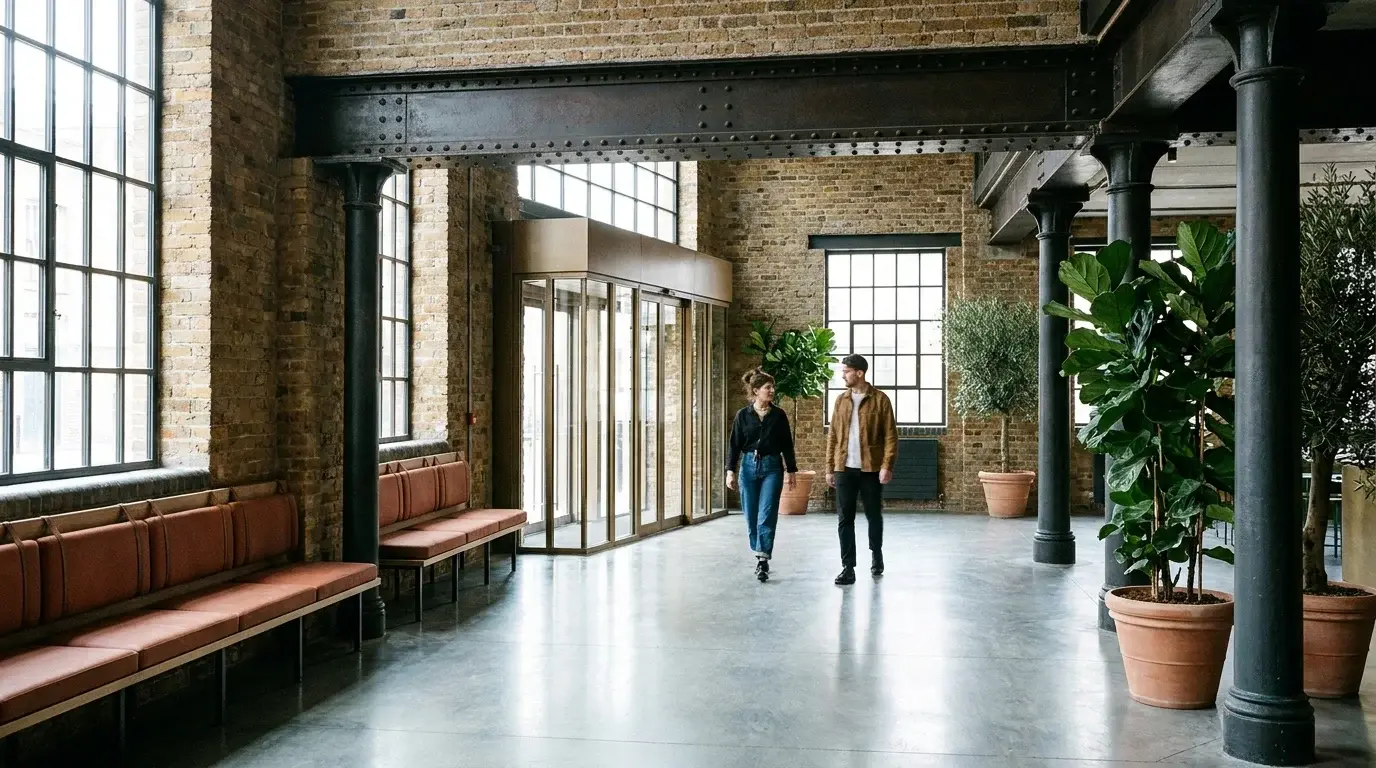
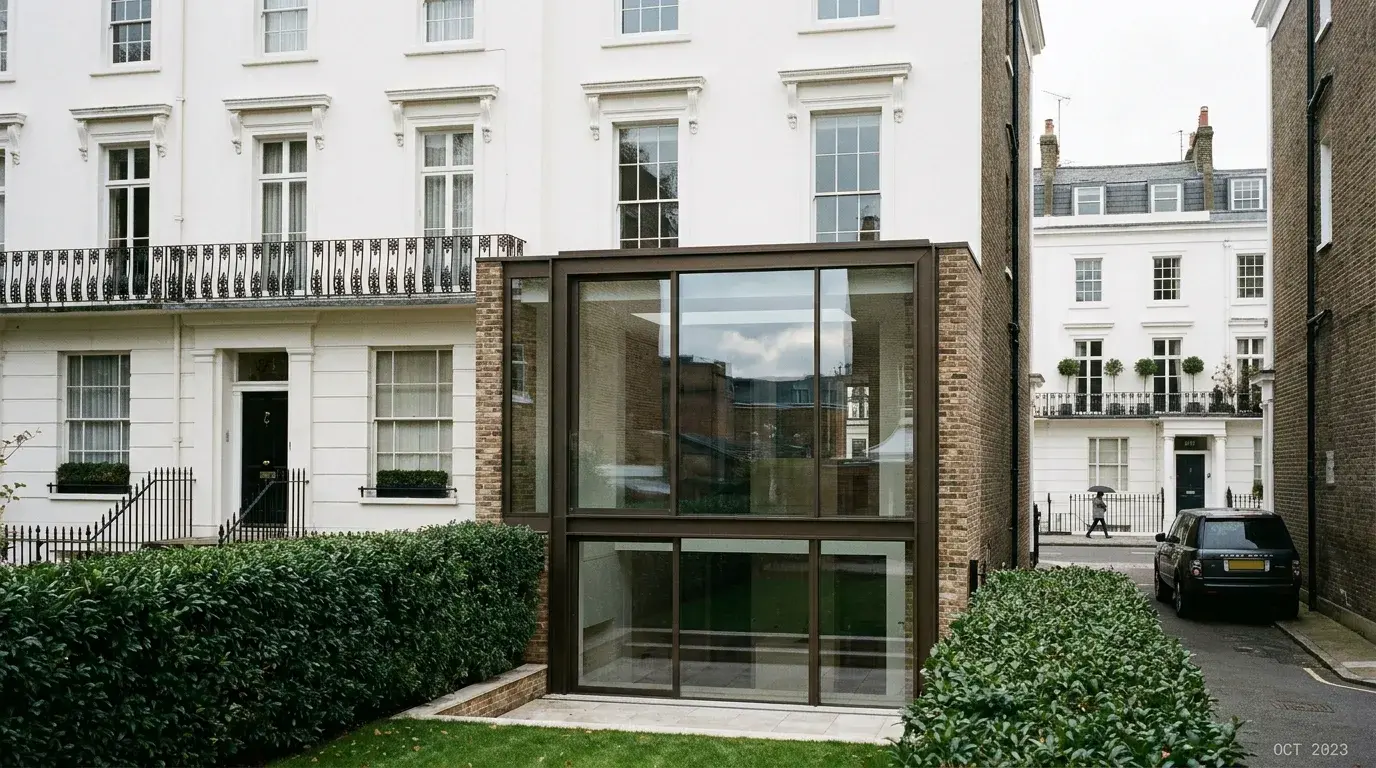
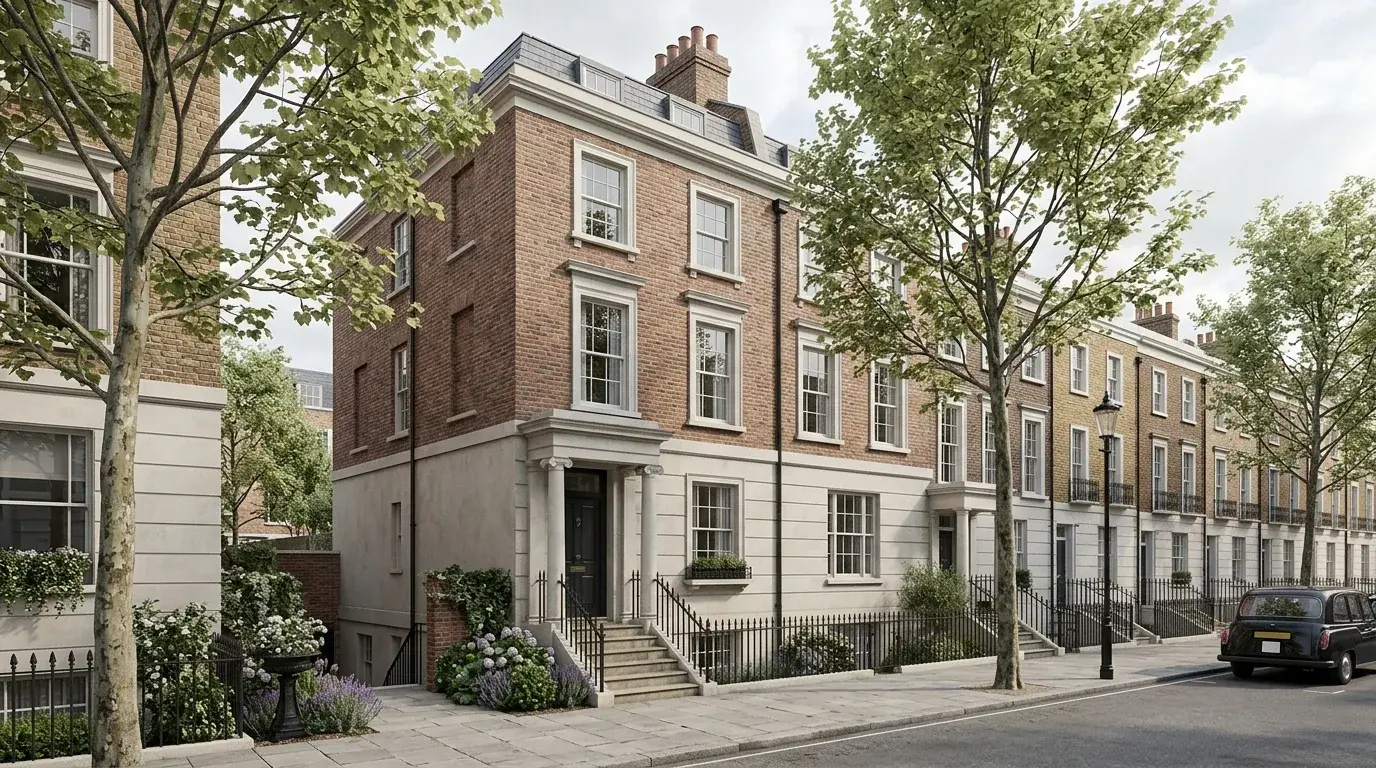
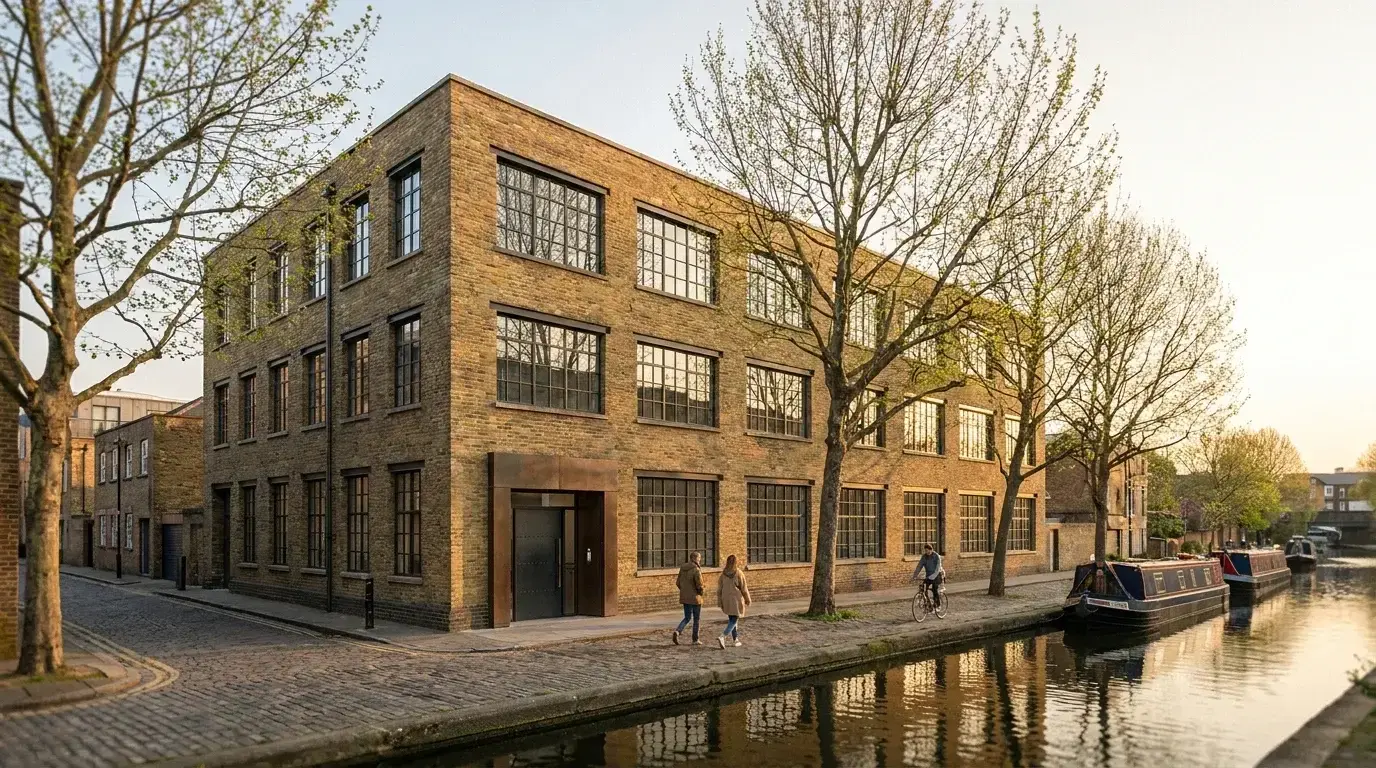
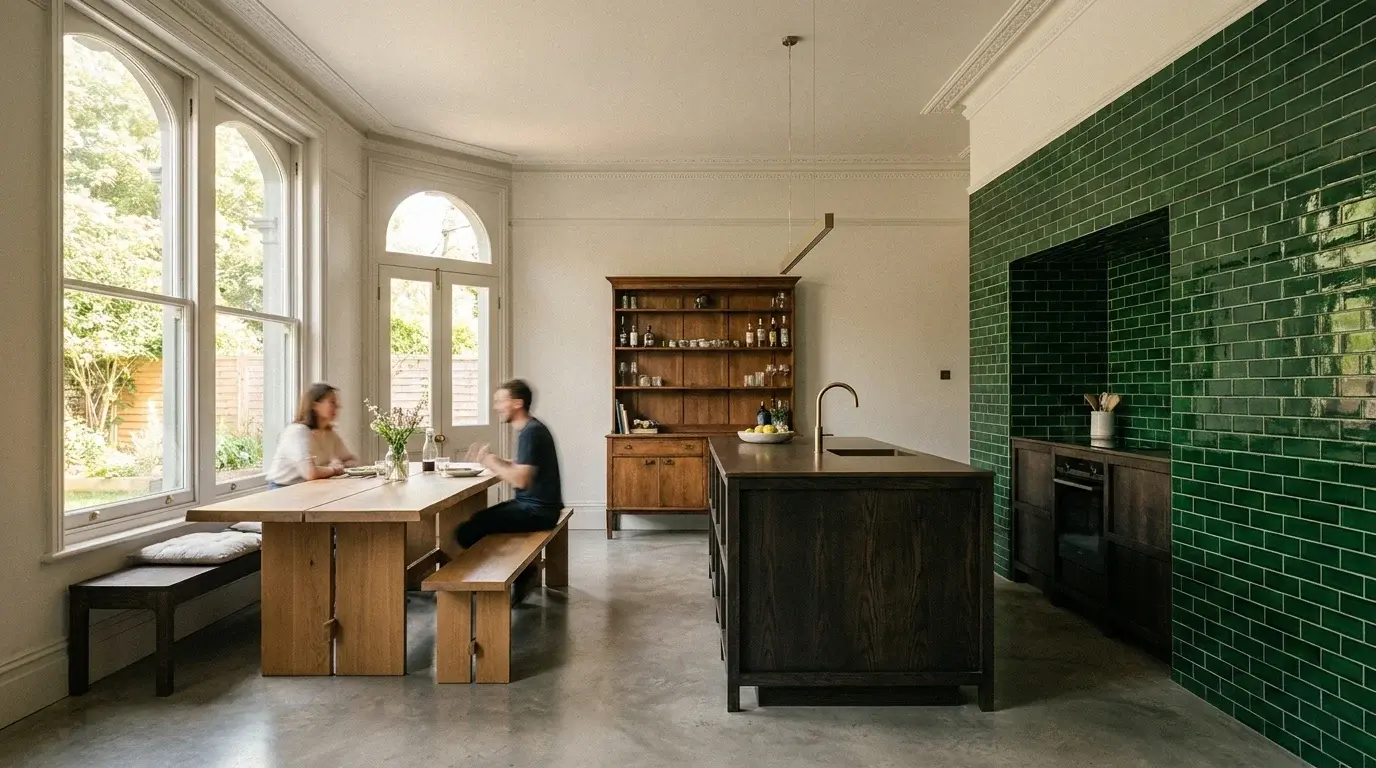
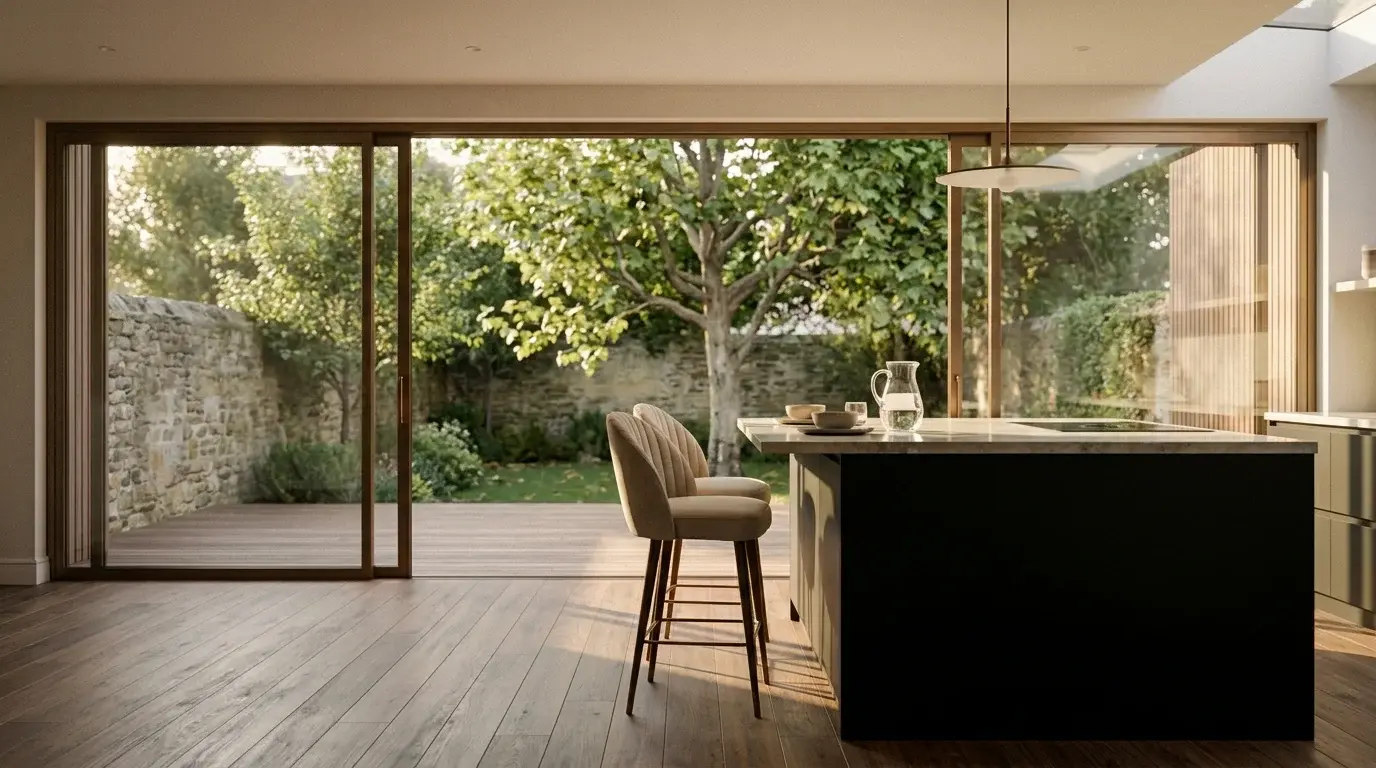
Request an interior CGI quoteThe set below covers three recent interior CGI projects across warehouse-conversion workspace, hospitality and prime residential types in London.
Interior CGI sits inside a wider visualisation programme. Use these pages when the brief crosses into animation, exterior, planning or commercial work.
Walkthrough animation and moving-image sequences for interiors that need camera movement, reveal timing or investor presentation film.
Survey-aligned visual evidence where an interior, facade or rooftop proposal needs a planning-grade external view.
Scheme-level CGI for off-plan launches, sales suites, amenity floors, typical units and developer marketing packs.
Office, hospitality, retail and mixed-use CGI where the image set supports leasing, investment or occupier approval.